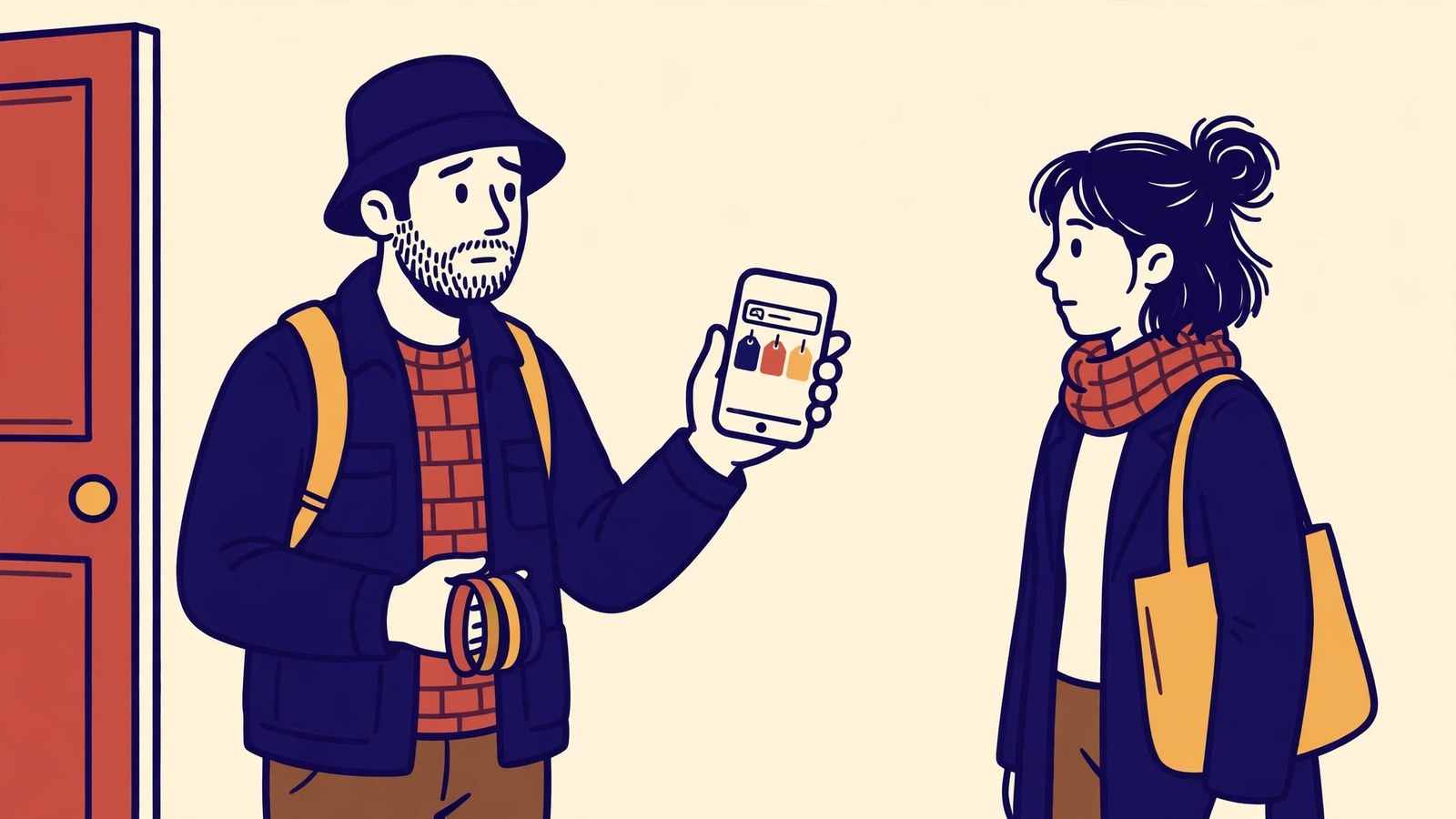
November 9, 2026
Selling tickets or valuables online? Learn why different names, third-party pickup, and a Zelle deposit should make you pause before completing the sale.
Read the alert →
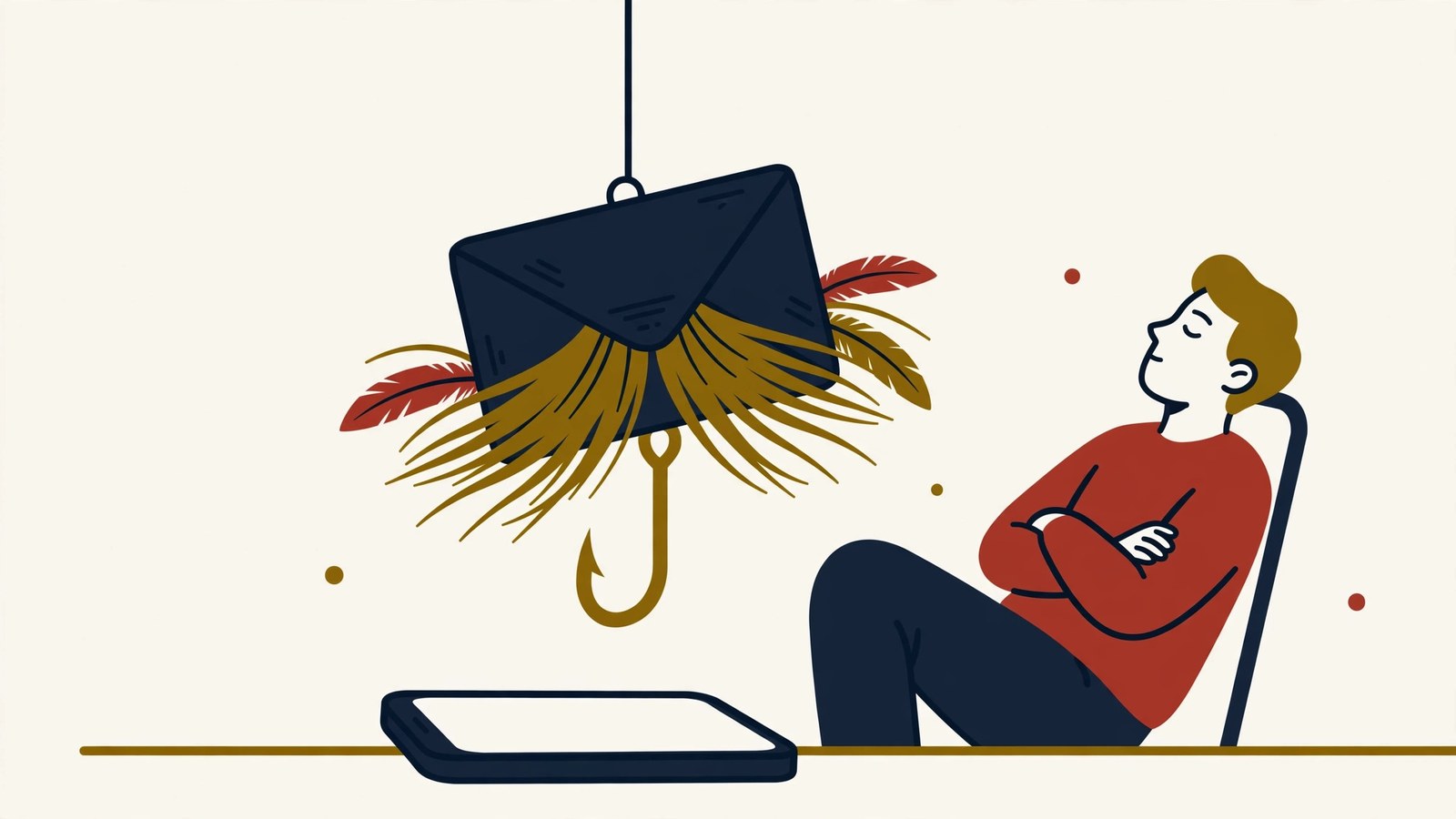
November 8, 2026
Got a PayPal email about a charge you do not recognize? Learn how fake payment notices work and how to check your account without stepping into the trap.
Read the alert →
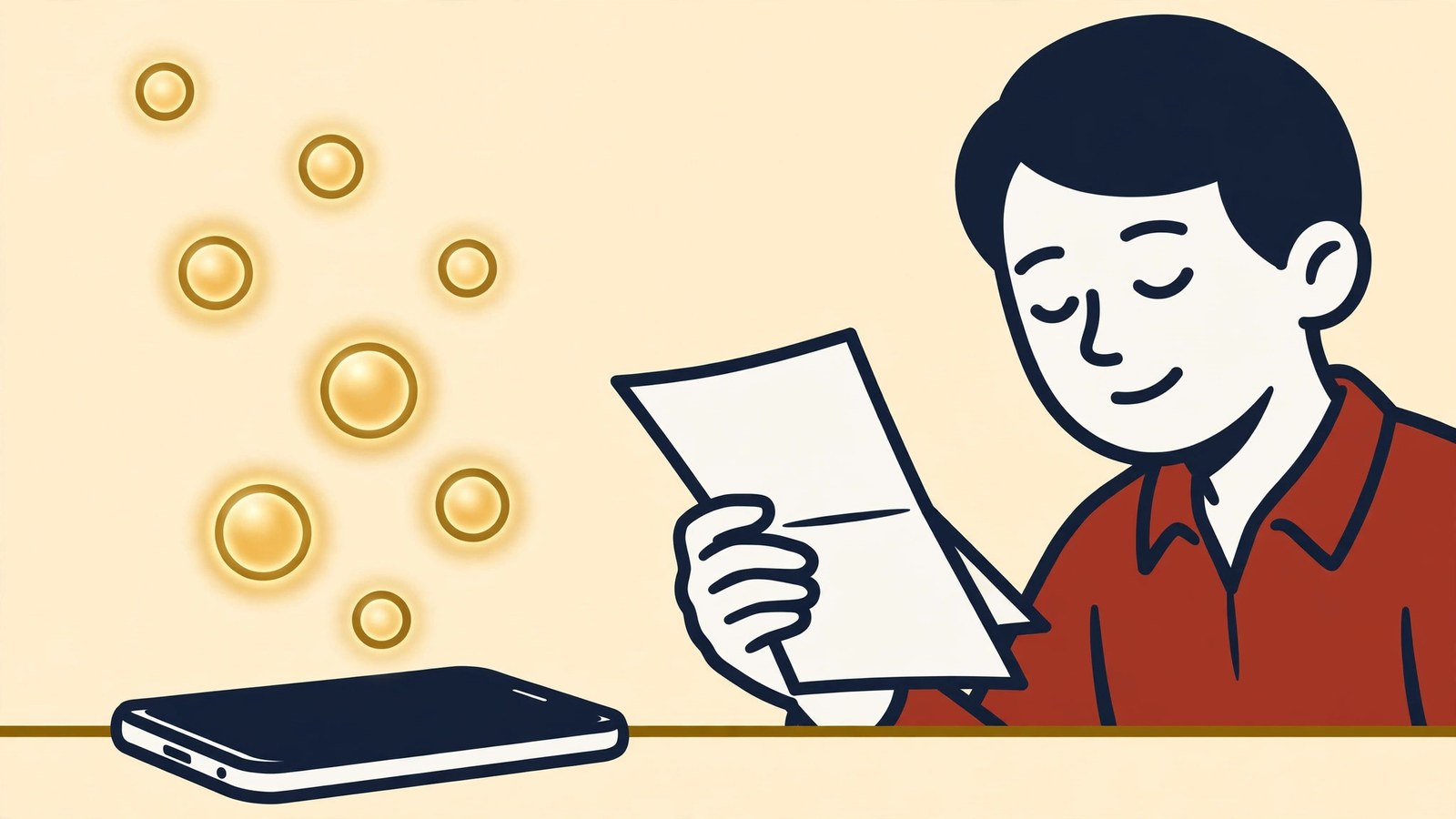
November 7, 2026
Got a verification code you didn't request? Learn what it may mean, what not to share, and how to check the account safely.
Read the alert →
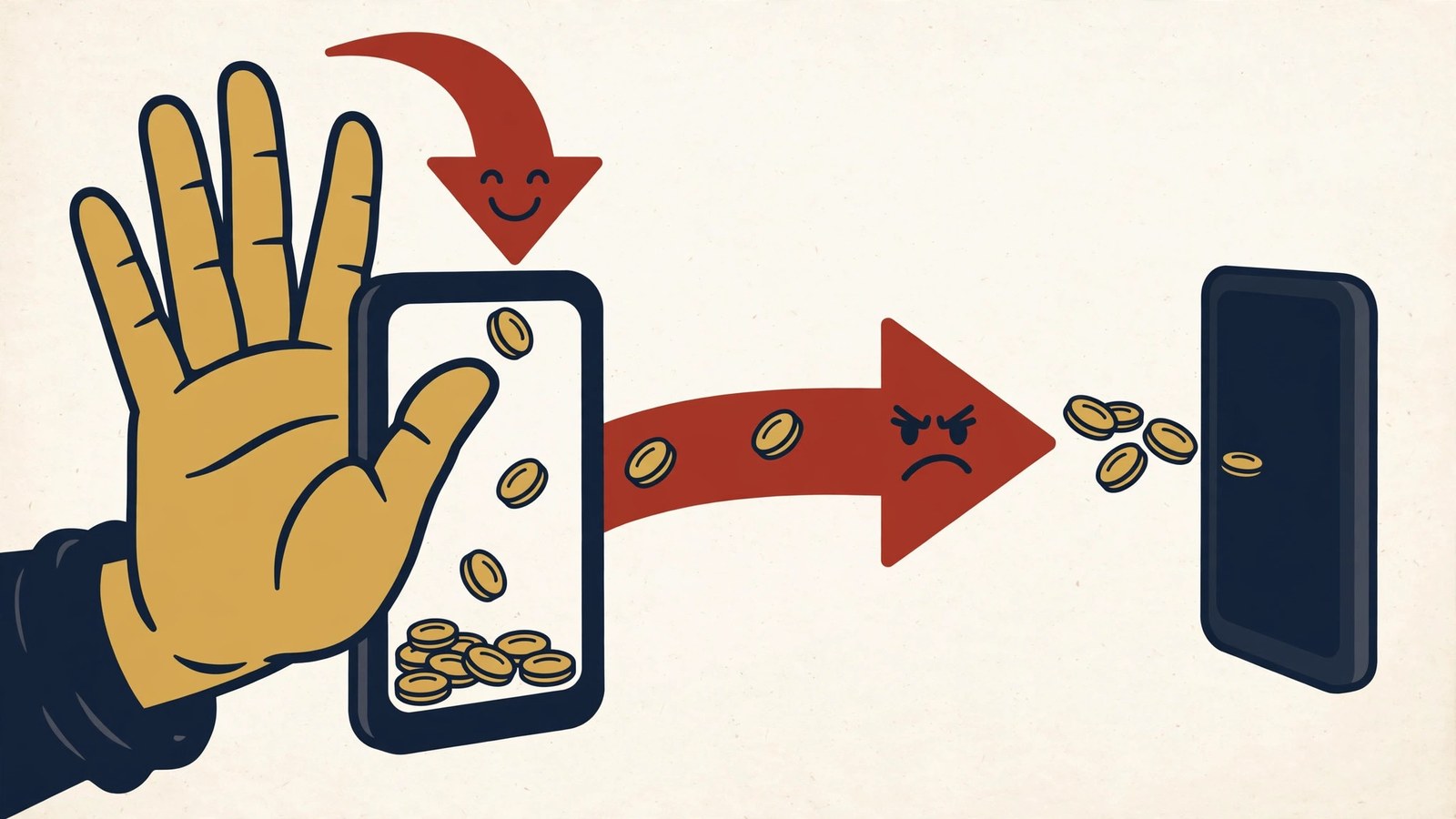
November 6, 2026
An unexpected Zelle or payment-app deposit can lead to a refund scam. Learn why you should contact your bank instead of sending a new payment.
Read the alert →
November 5, 2026
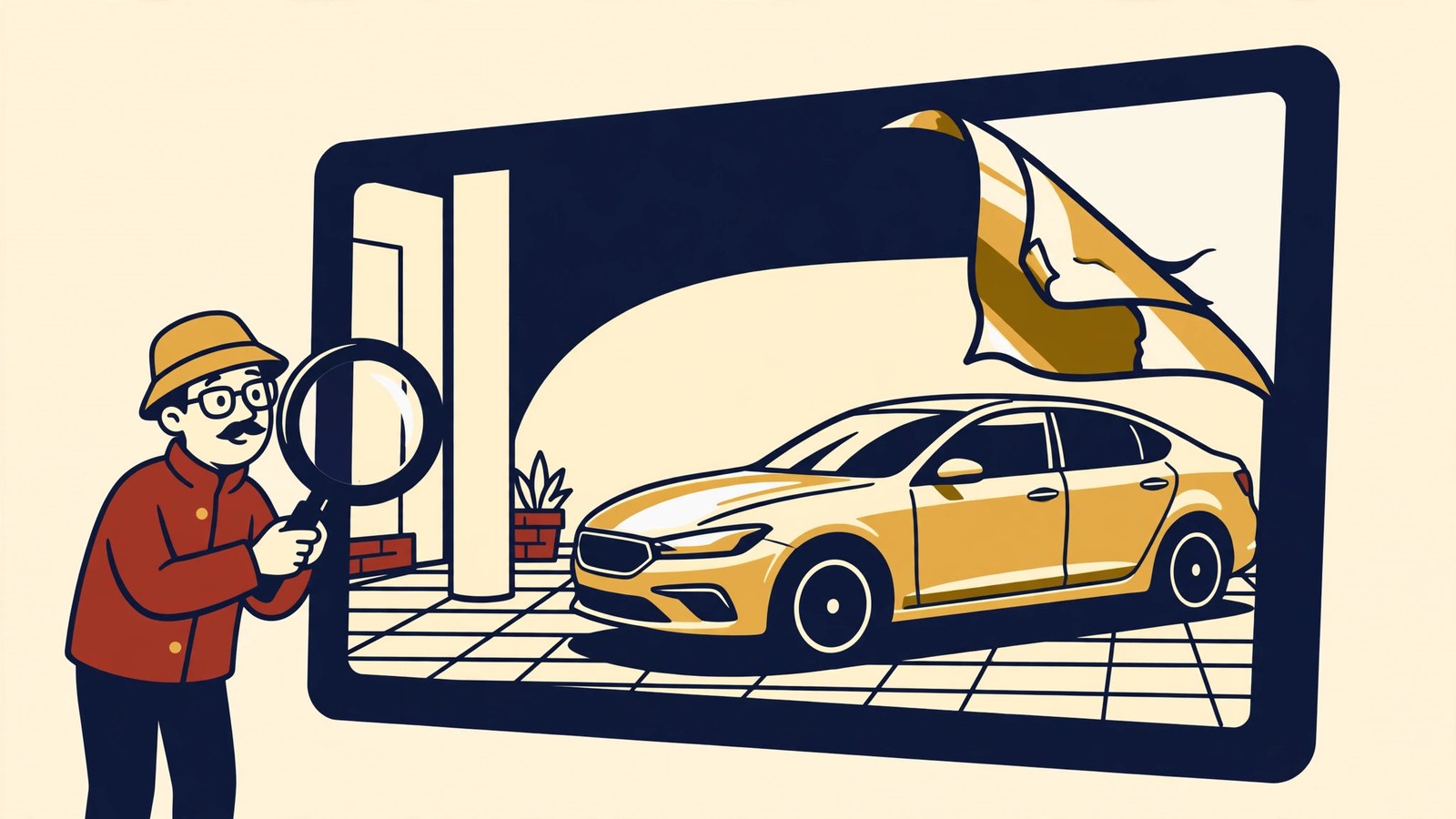
Scammers are copying dealership websites, listings, and reviews to collect deposits for cars they do not own. Physical verification breaks the illusion.
Read the alert →
November 4, 2026
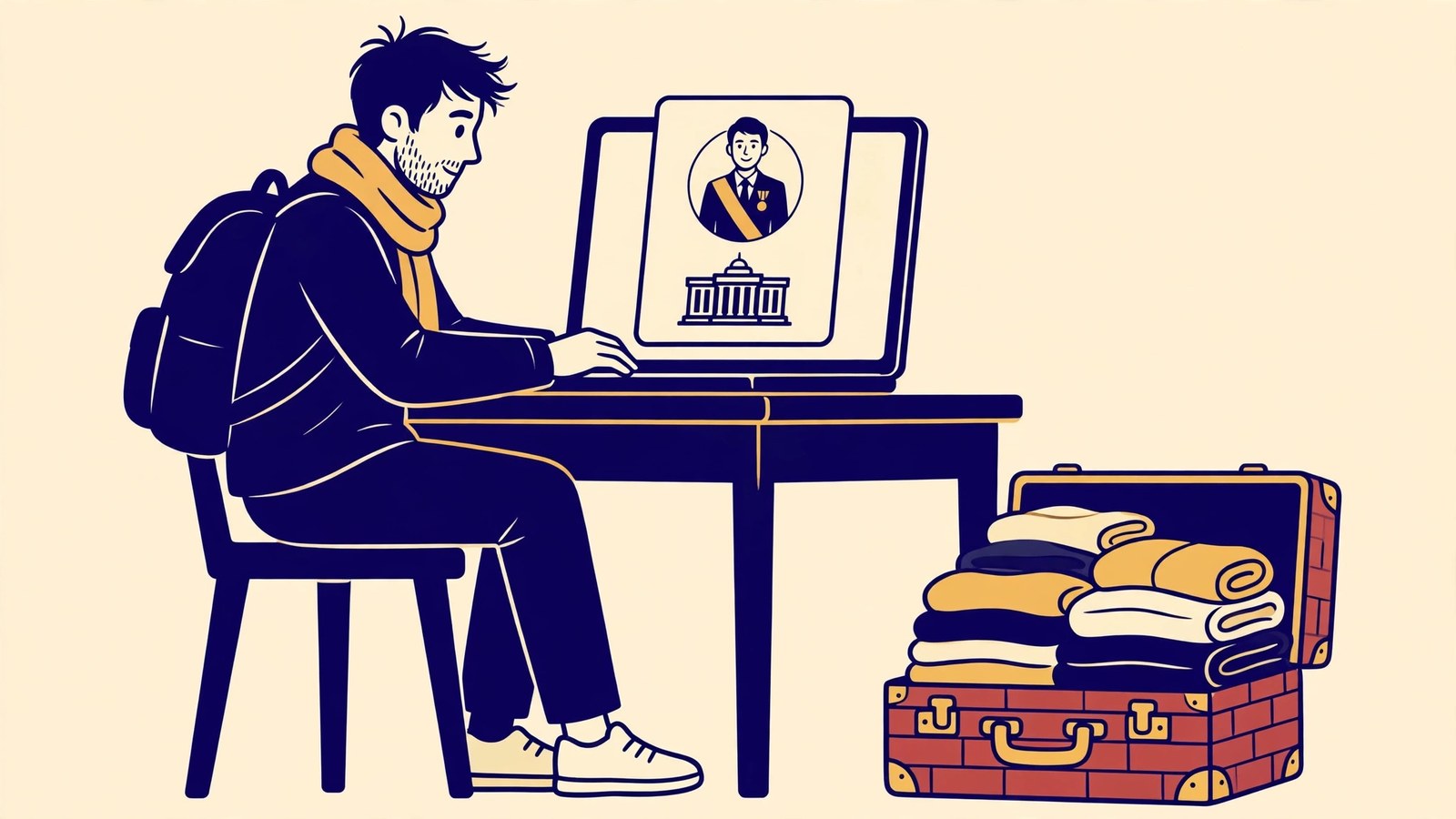
Paid ads and official-looking websites can lead travelers away from the real passport process. Here is the address every family should start with.
Read the alert →
November 3, 2026
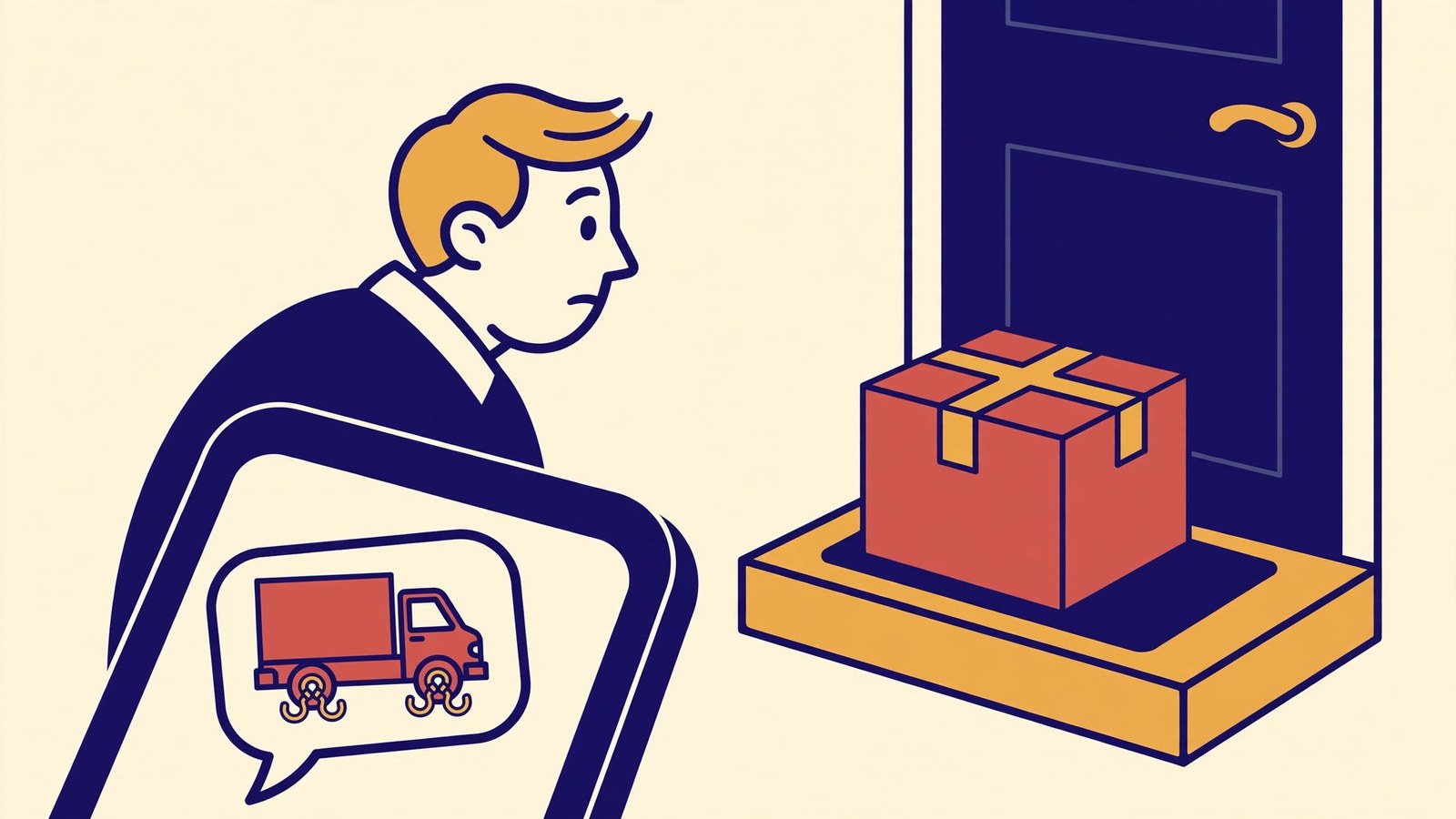
Delivery scammers rely on good timing, familiar logos, and a tiny fee. Use this one habit to check the package without touching their link.
Read the alert →
November 1, 2026
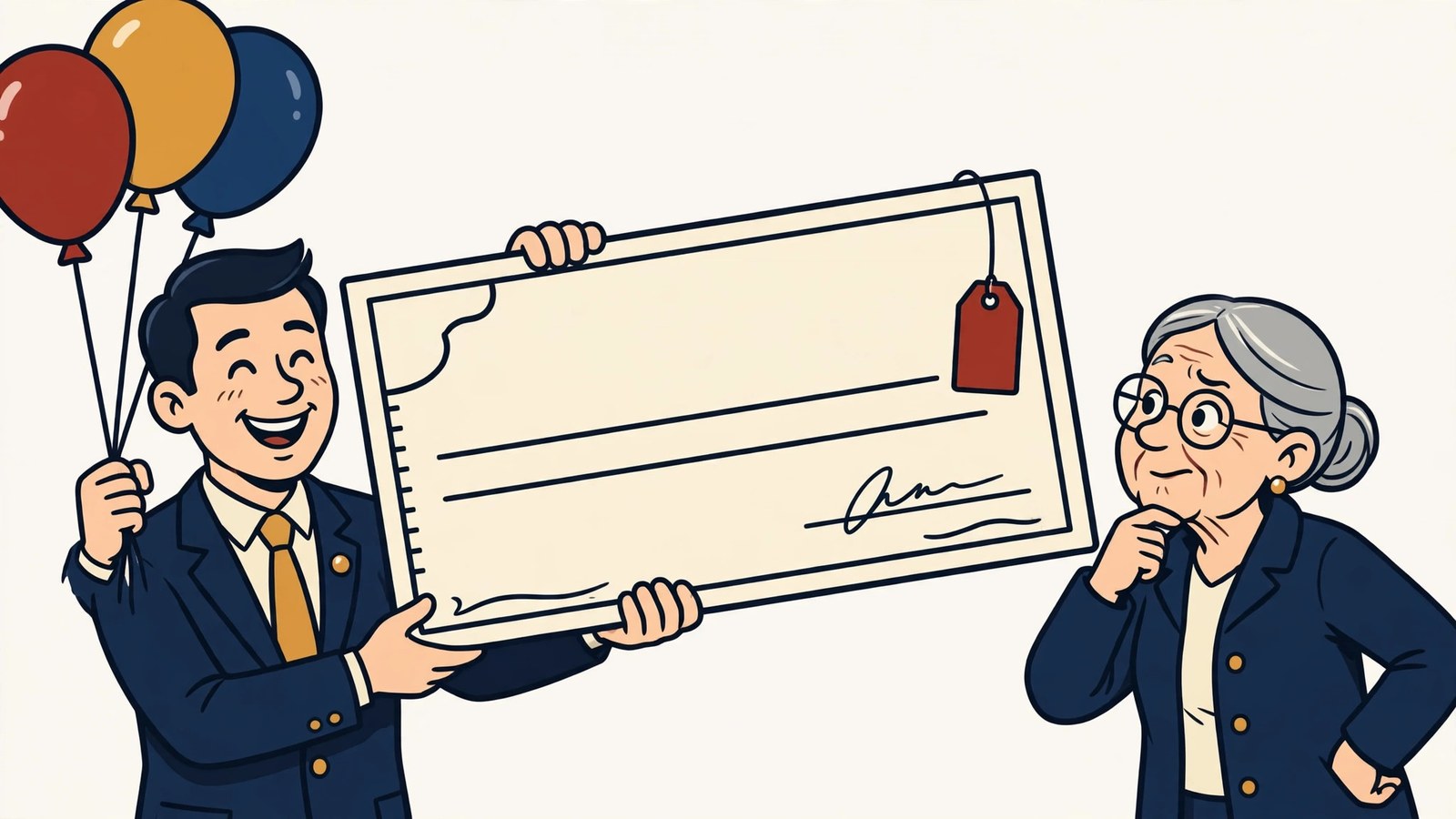
Scammers are borrowing trusted charity names to announce fake sweepstakes. One simple rule exposes the scheme before money or information changes hands.
Read the alert →
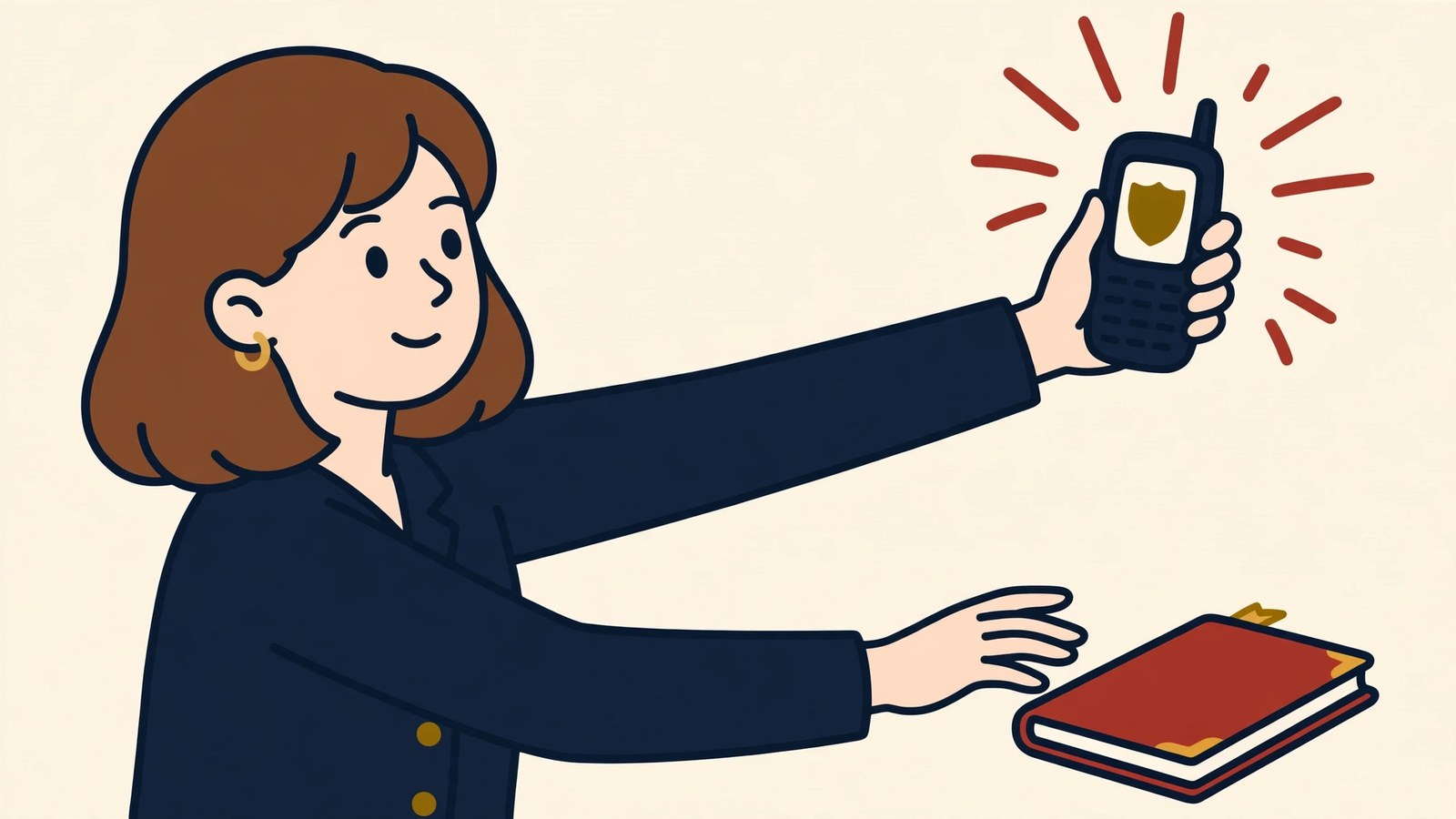
October 31, 2026
Fake FTC officials are transferring people to fake police and making the verification process part of the deception. One family rule can break the script.
Read the alert →
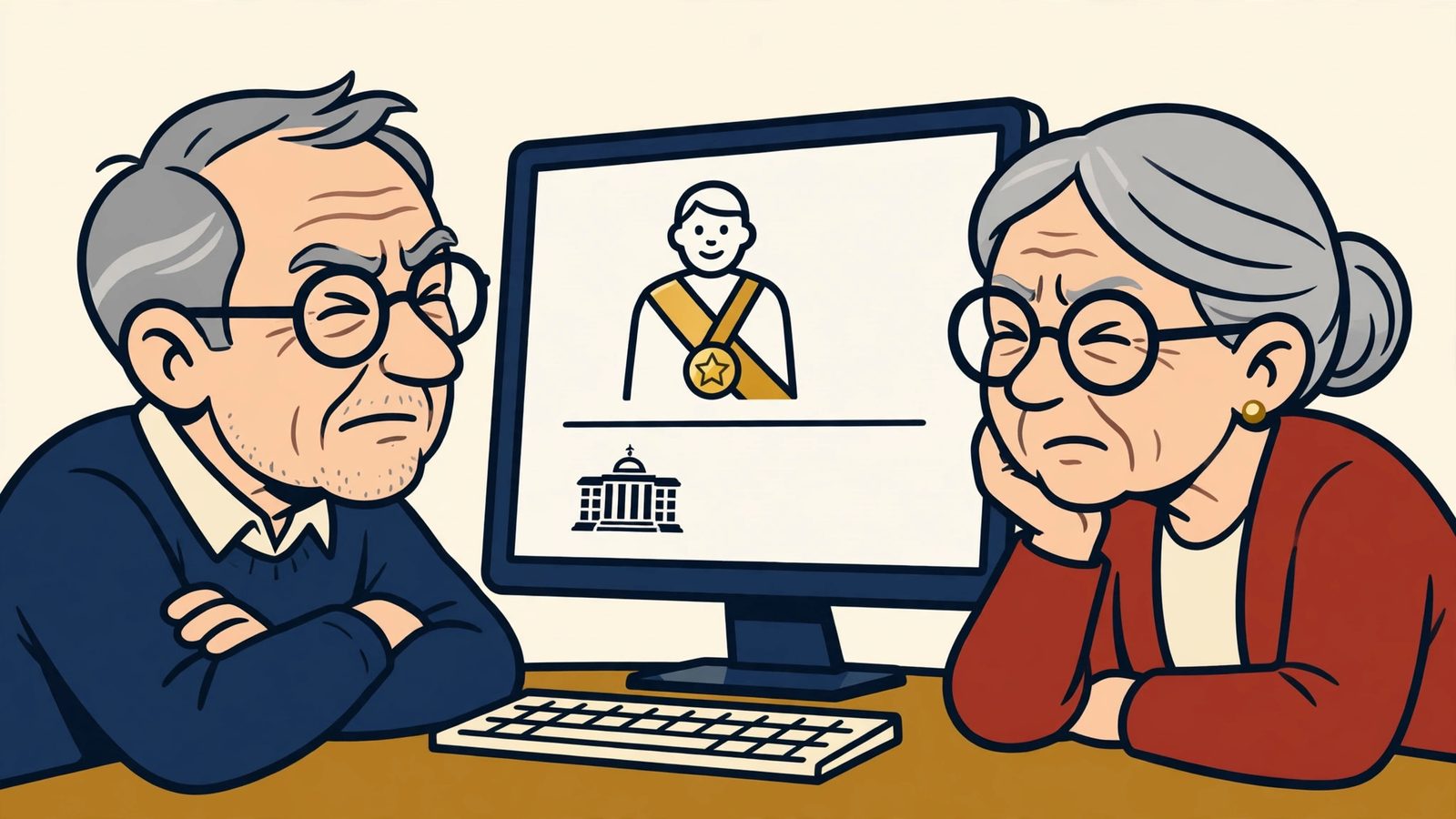
October 30, 2026
Sponsored results and official-looking websites can lead families away from real enrollment help. Here is the safest way to reach Medicare or the Marketplace.
Read the alert →
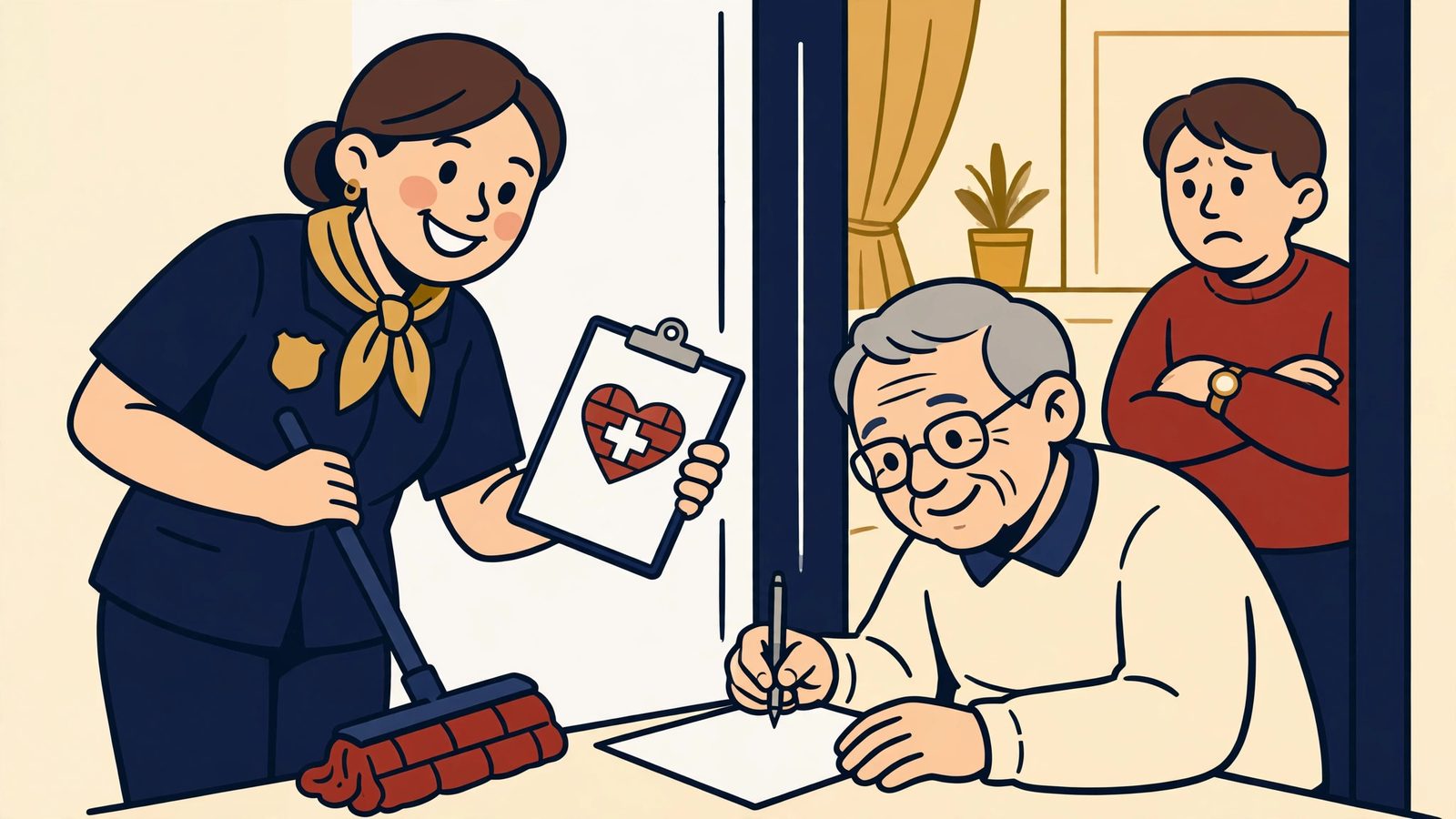
October 29, 2026
A helpful offer can conceal an attempt to obtain a Medicare number, signature, and fraudulent hospice billing. Learn the warning signs and one family rule that can stop it.
Read the alert →
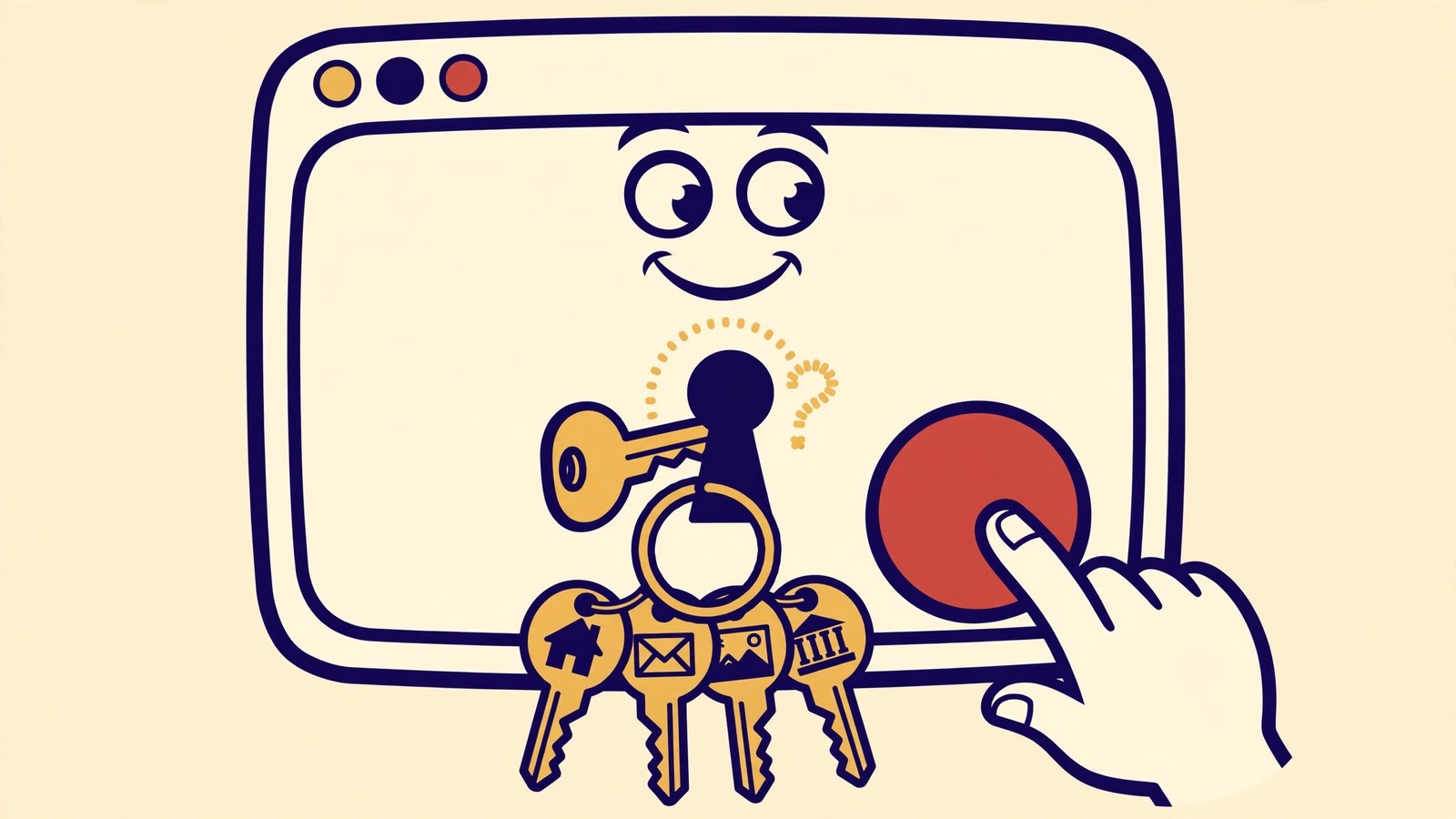
October 28, 2026
Consent phishing asks you to authorize a malicious app instead of surrendering a password. Read the permission screen before pressing Allow.
Read the alert →
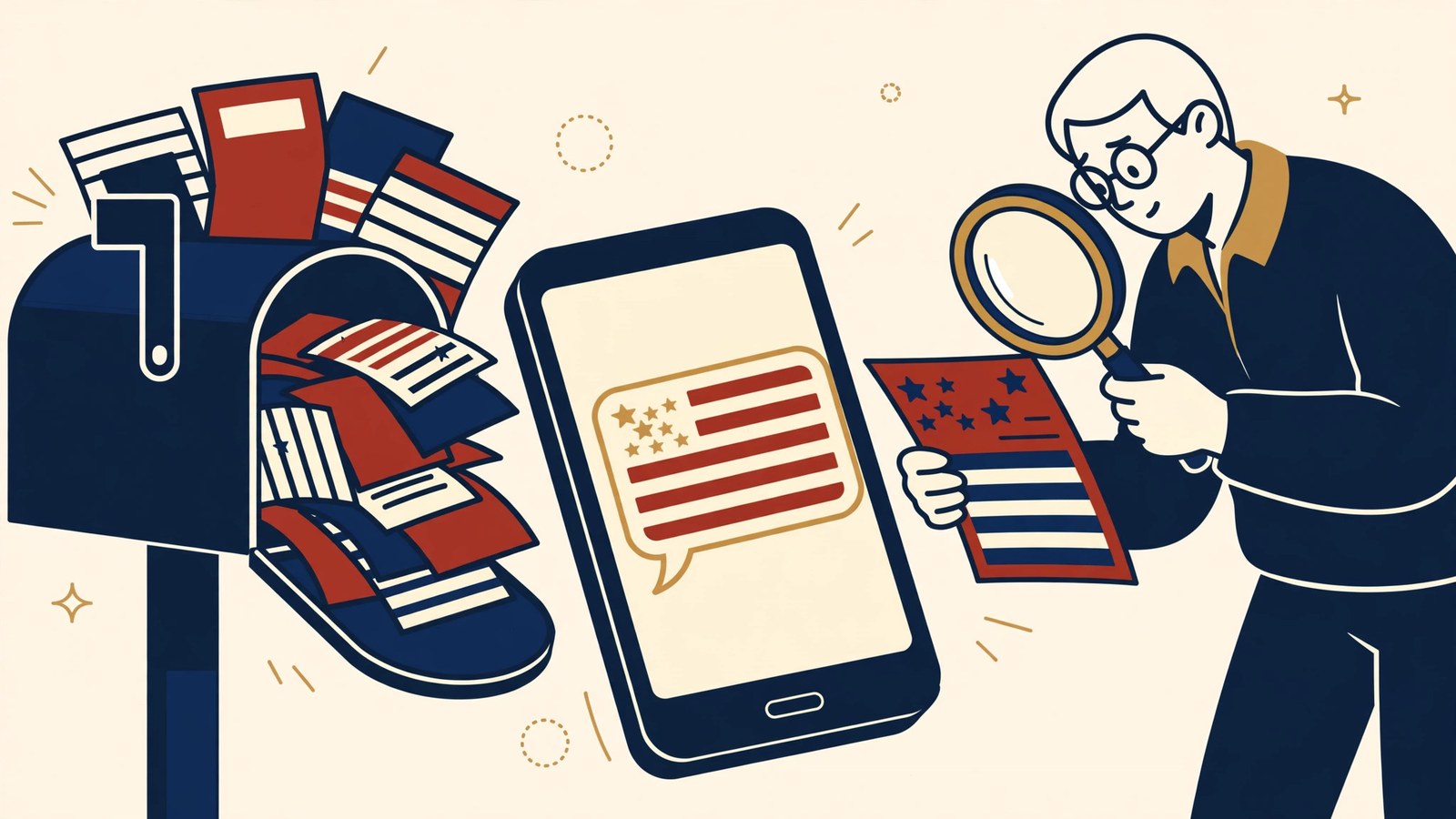
October 27, 2026
Fake donation requests, merchandise stores, and voter-registration warnings can borrow real campaign names. Leave the message before you act.
Read the alert →
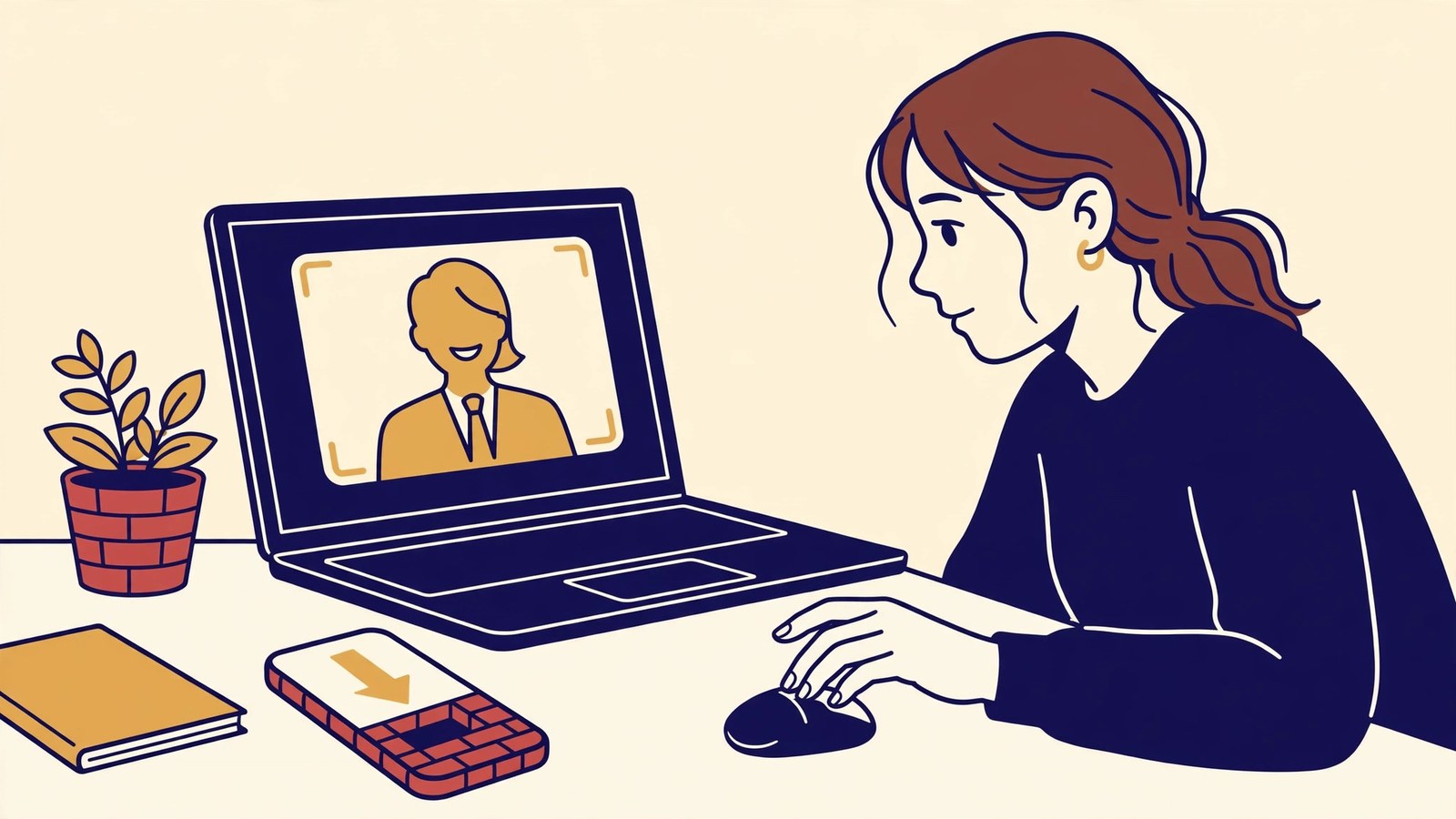
October 26, 2026
Fake employers use interviews, contracts, and work apps to steal money and personal information. Verify the opening before onboarding begins.
Read the alert →
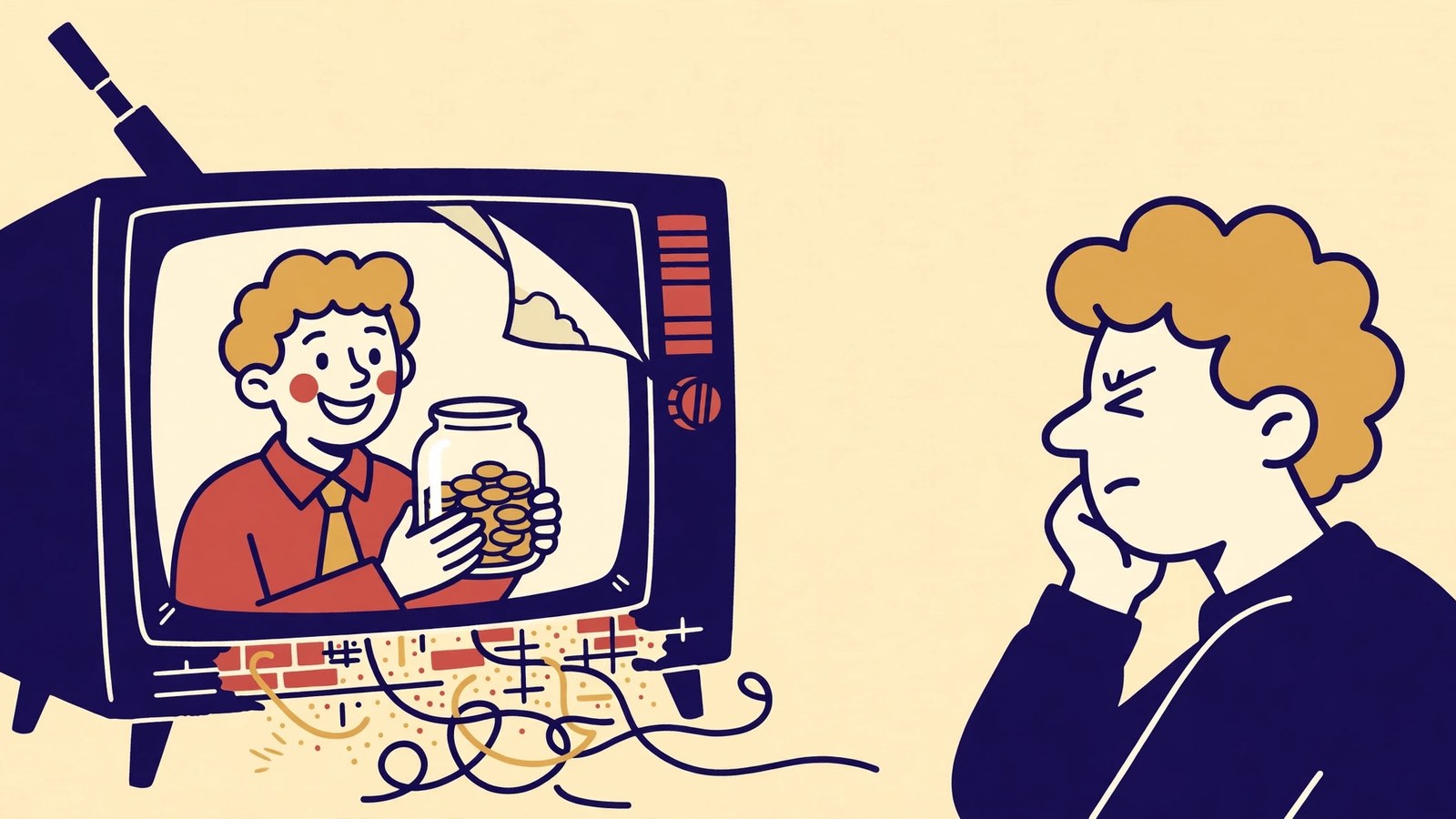
October 25, 2026
AI can make a trusted public figure appear to promote a fake product or investment. Use this independent-source rule before clicking or paying.
Read the alert →
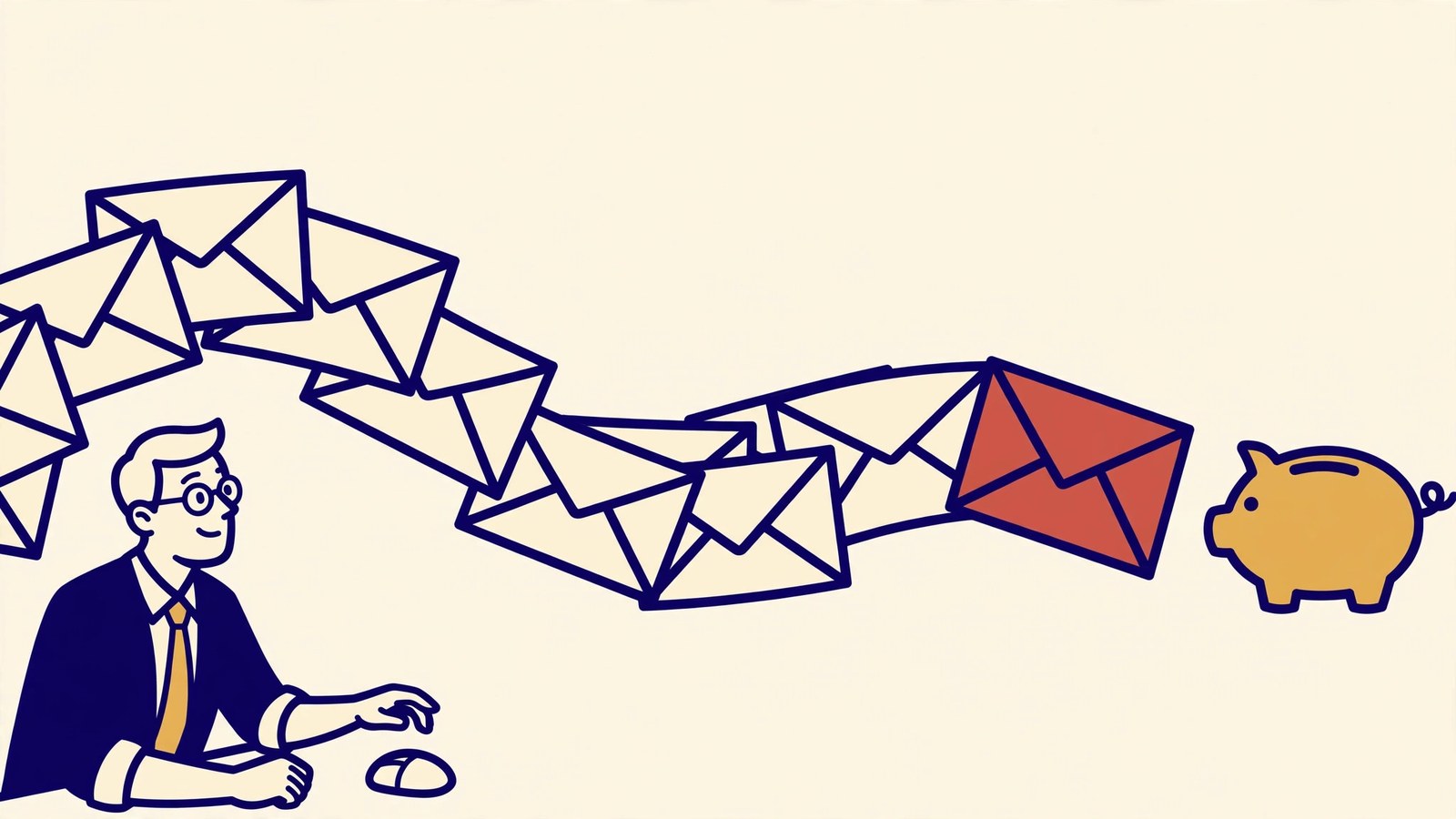
October 22, 2026
Criminals can enter a real payment conversation and change only the destination. Use this separate-channel rule before wiring closing funds or paying an updated invoice.
Read the alert →
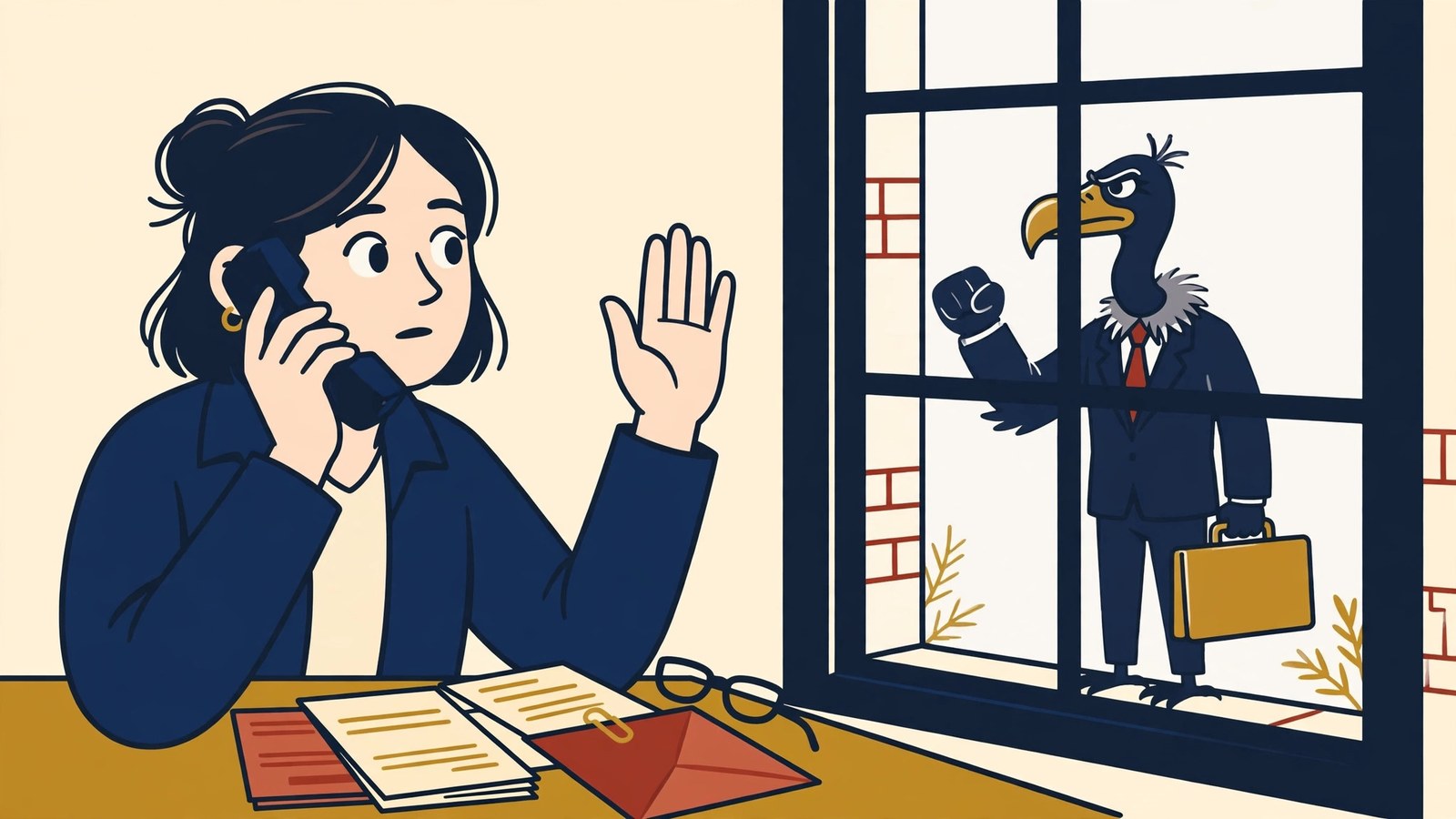
October 21, 2026
Recovery scammers use details from an earlier loss to sound credible. Learn the one payment rule that protects your family from losing money twice.
Read the alert →
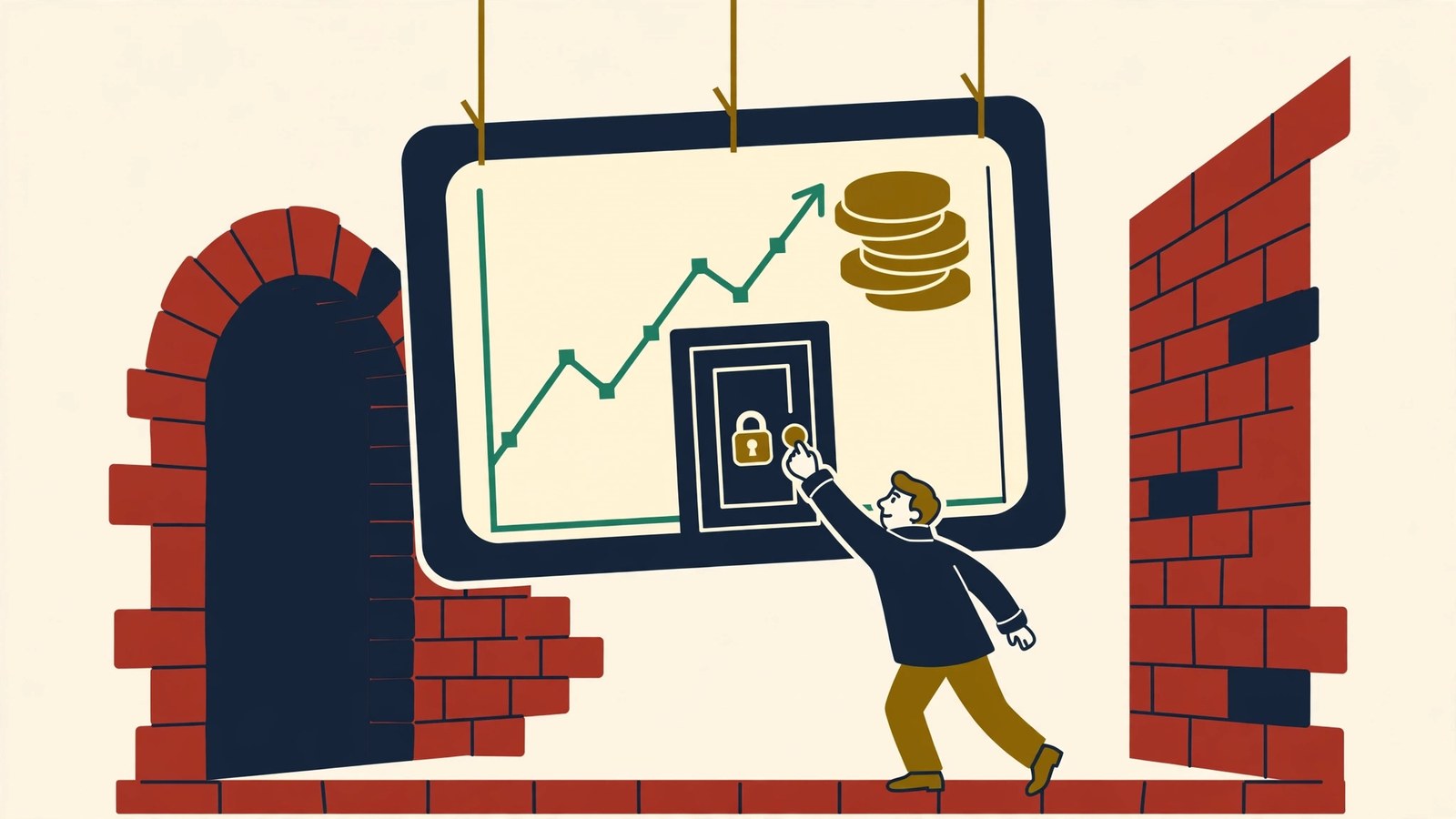
October 20, 2026
Fake investment platforms can show rising balances and even allow a small withdrawal. Learn the family rule to use before sending more money.
Read the alert →
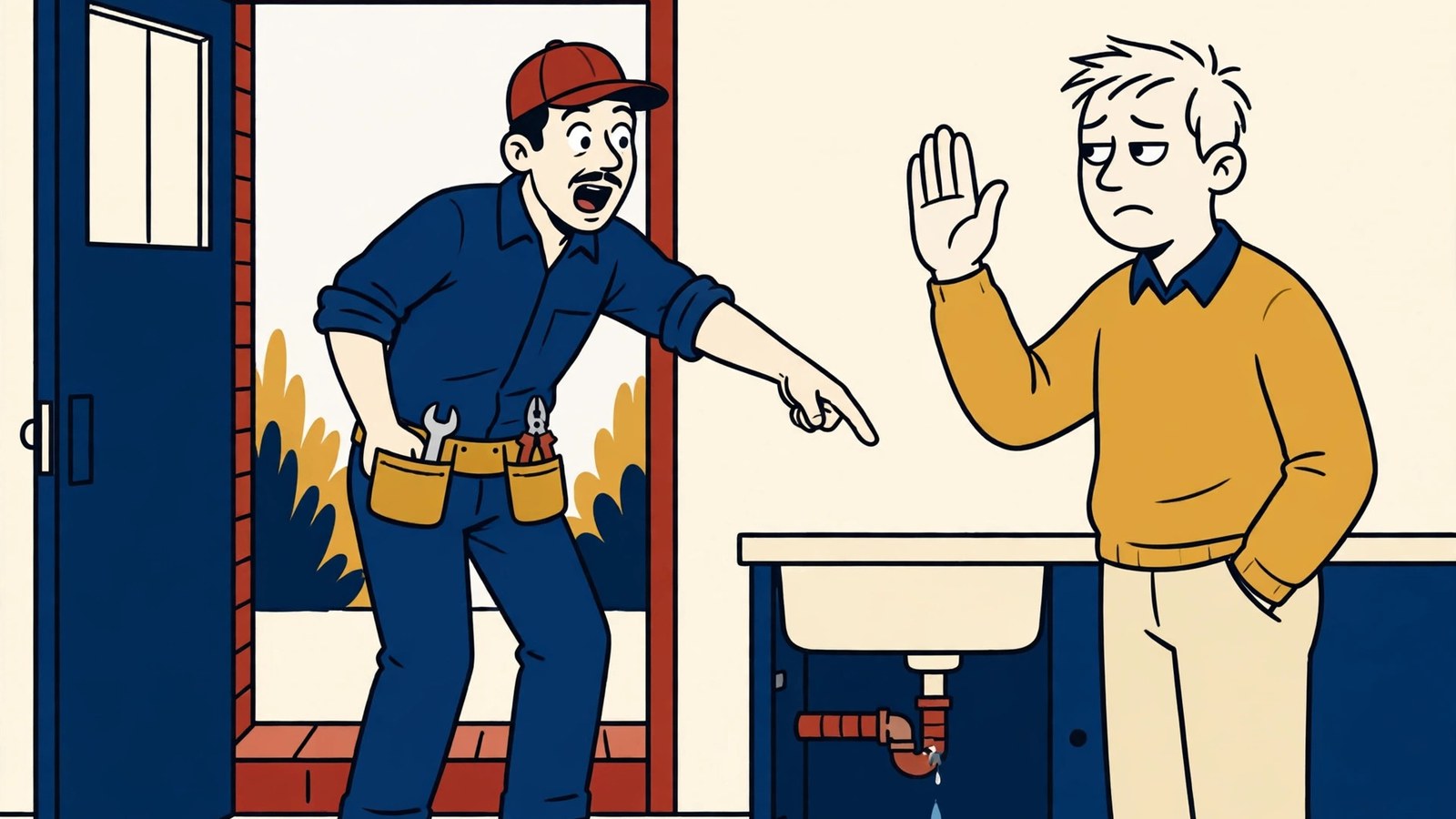
October 19, 2026
A low-cost inspection can become an urgent repair, rushed contract, or expensive financing agreement. Use this rule before anyone starts work.
Read the alert →
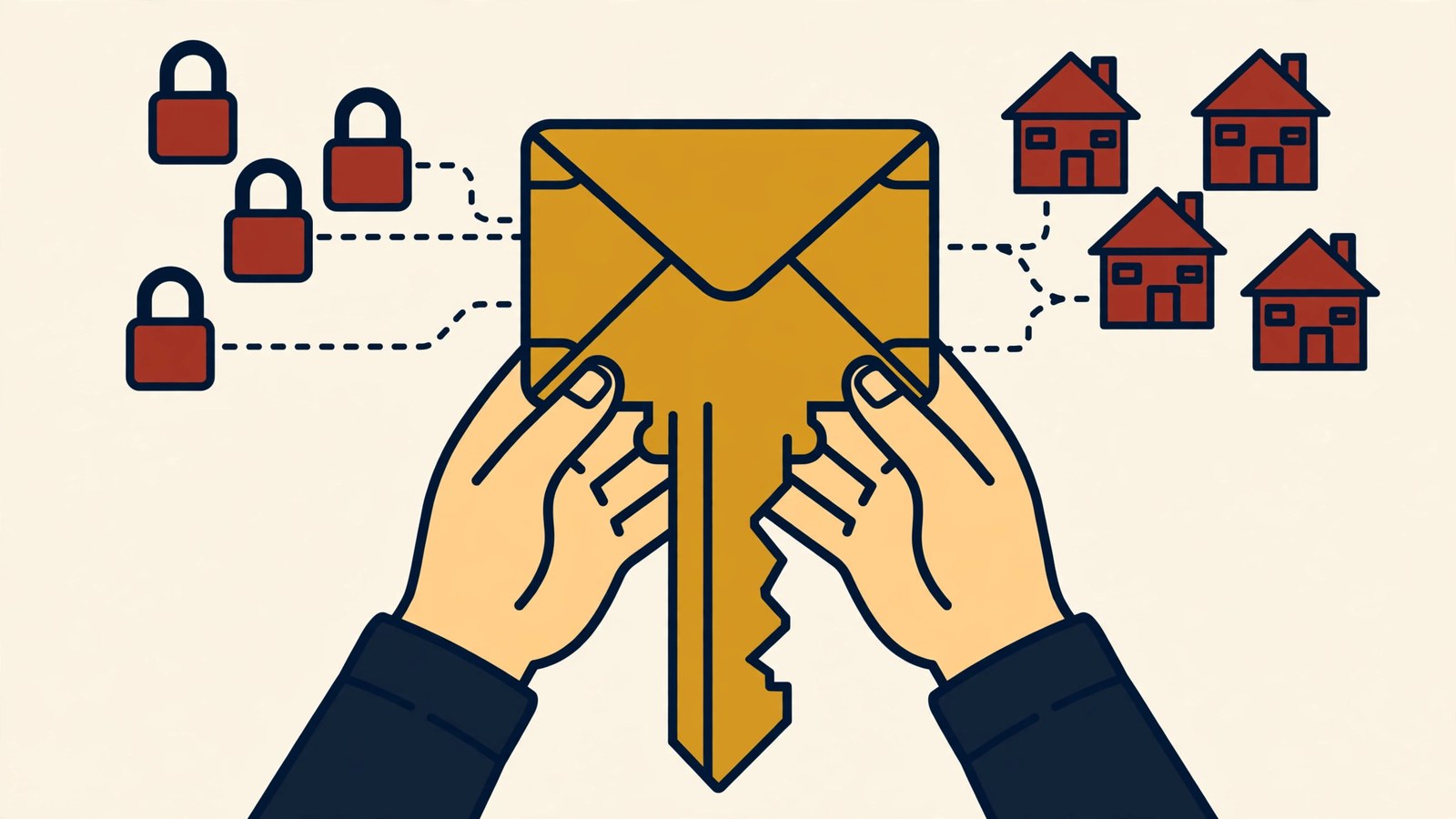
October 18, 2026
Your email can reset passwords, reveal financial relationships, and reach the people who trust you. Use this 10-minute checklist to protect the master key.
Read the alert →
October 17, 2026
AI can remove the mistakes families once relied on to spot scams. These five behavior-based checks still work when the message looks completely professional.
Read the alert →
October 16, 2026
A frightened search for help can lead to costly promises and more pressure. Learn the free official resources to use before paying anyone.
Read the alert →
October 15, 2026
A legitimate security text can become the final key a scammer needs. Learn the simple rule that stops an account takeover at the second lock.
Read the alert →
October 14, 2026
Criminals are using real agents' names, spoofed government numbers, and staged video-call backgrounds. Here is the verification habit that still works.
Read the alert →
October 13, 2026
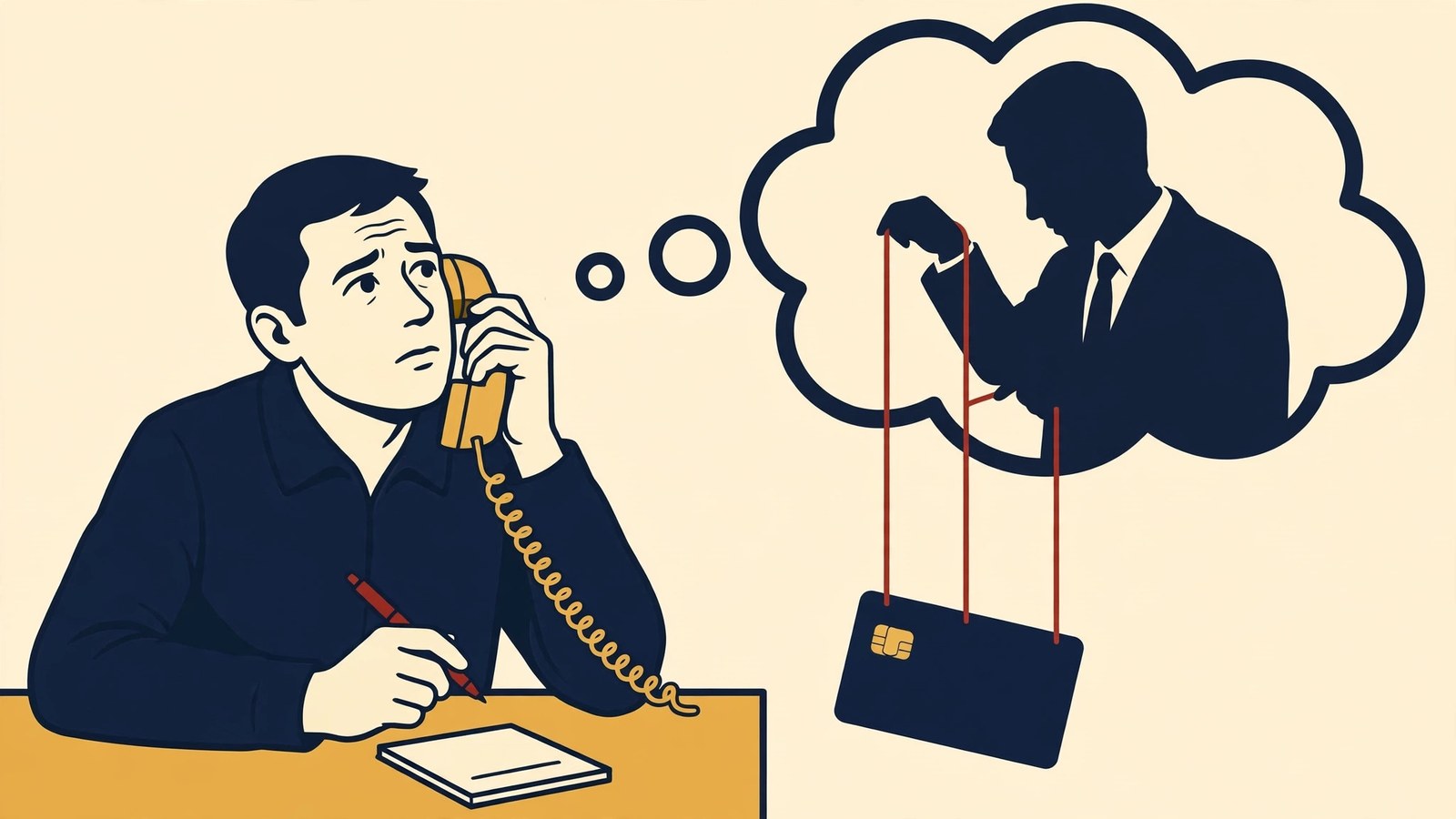
Fake bank investigators use real details, urgent warnings, and requests for verification codes to sound convincing. Learn the simple callback rule that stops the scam.
Read the alert →
October 12, 2026
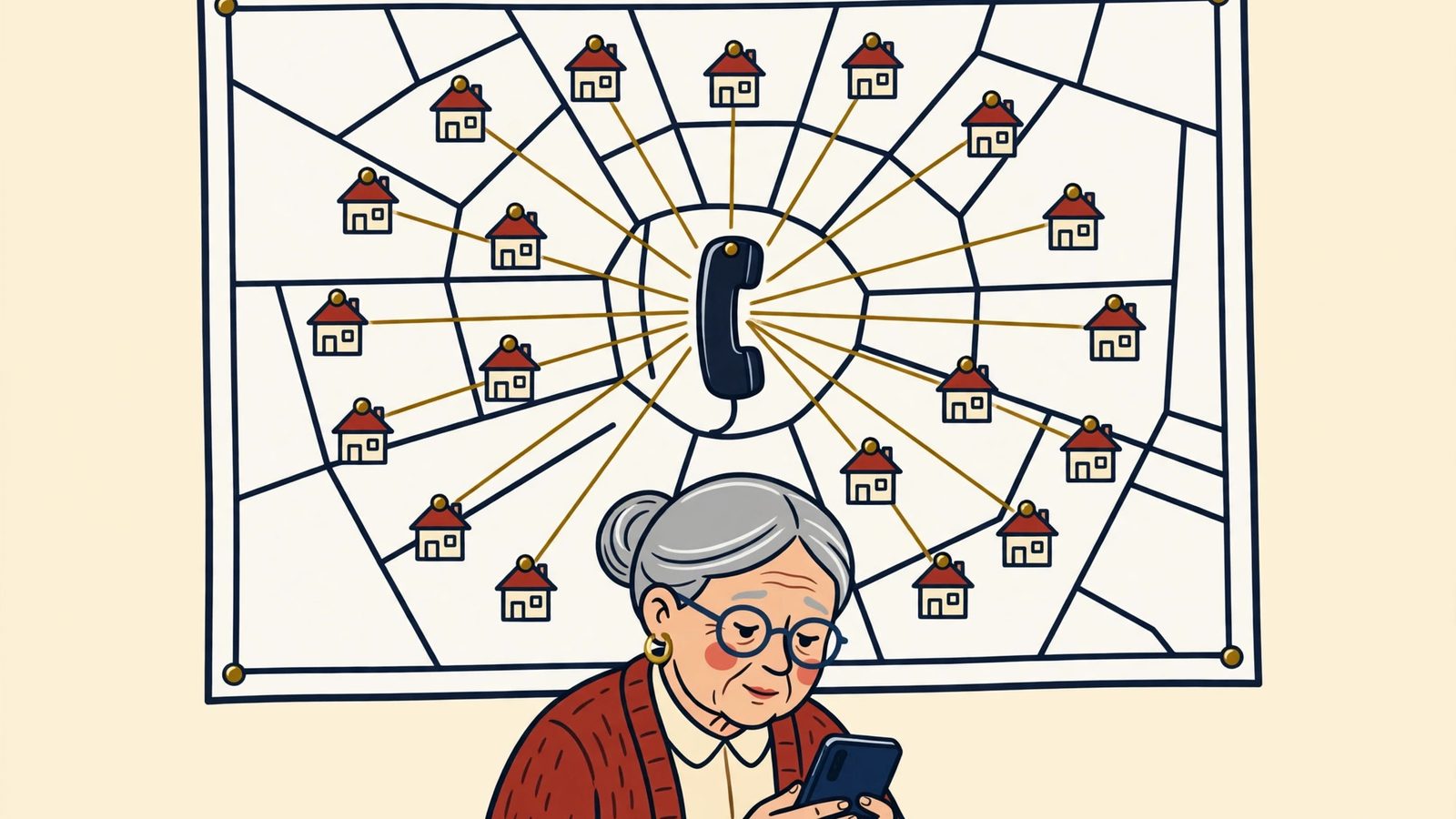
A recent cross-border case shows how organized and fast-moving a grandparent scam can be. Make your family's three-step verification plan tonight.
Read the alert →

October 11, 2026
Real image or AI deepfake, a parent's first response can keep a child connected to help. Here are the reporting, removal, and support steps to know now.
Read the alert →
October 6, 2026
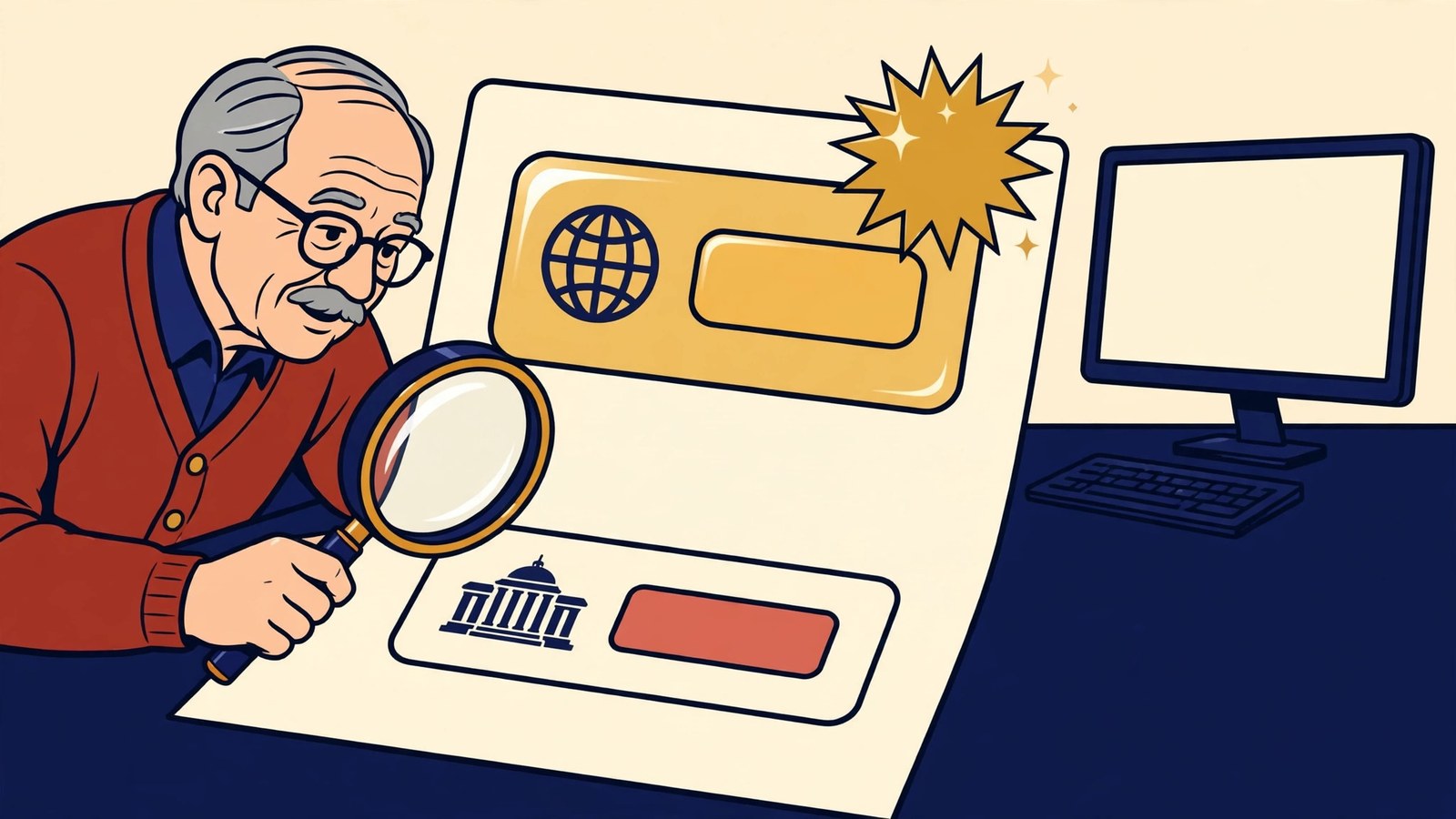
Open Enrollment is approaching, and official-looking paid results can lead families away from Medicare.gov. Bookmark the safe starting point now.
Read the alert →
October 5, 2026
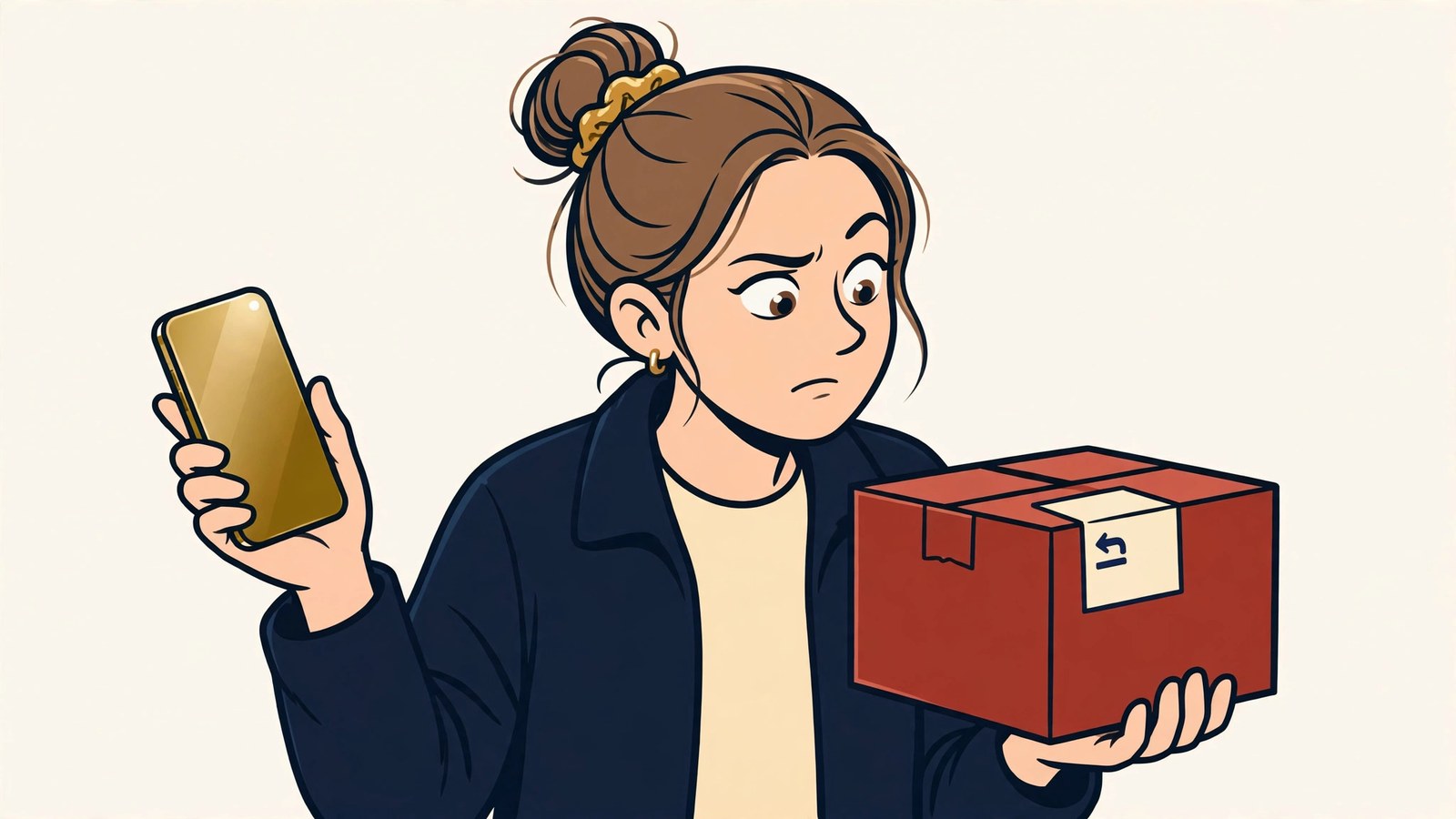
A real delivery can make a fake upgrade offer feel confirmed. Teach your family to verify the offer, the order, and the return separately.
Read the alert →
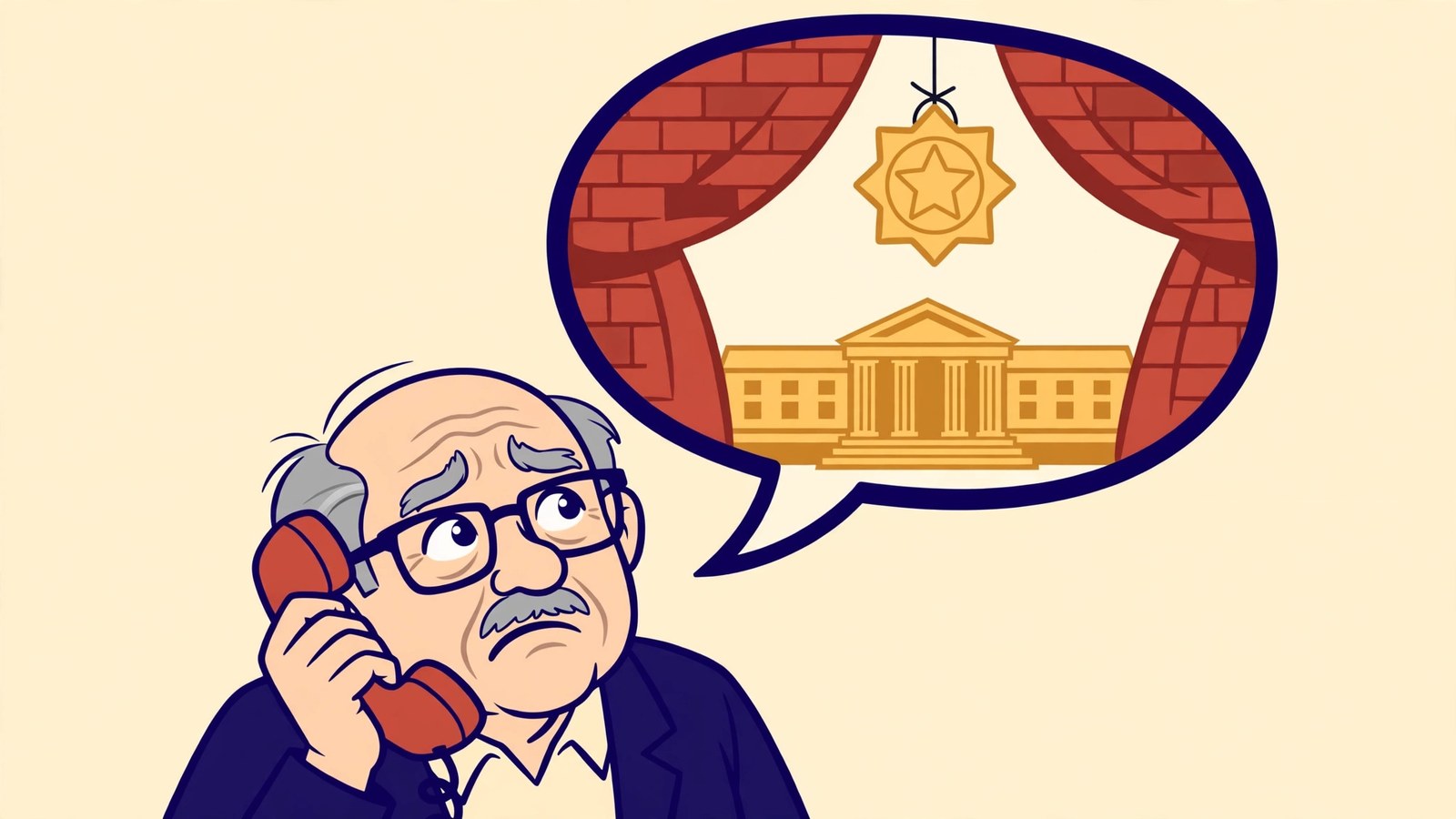
October 4, 2026
A real agent's name, a spoofed field-office number, and even a staged video background can support a false story. Here is what your family must verify instead.
Read the alert →
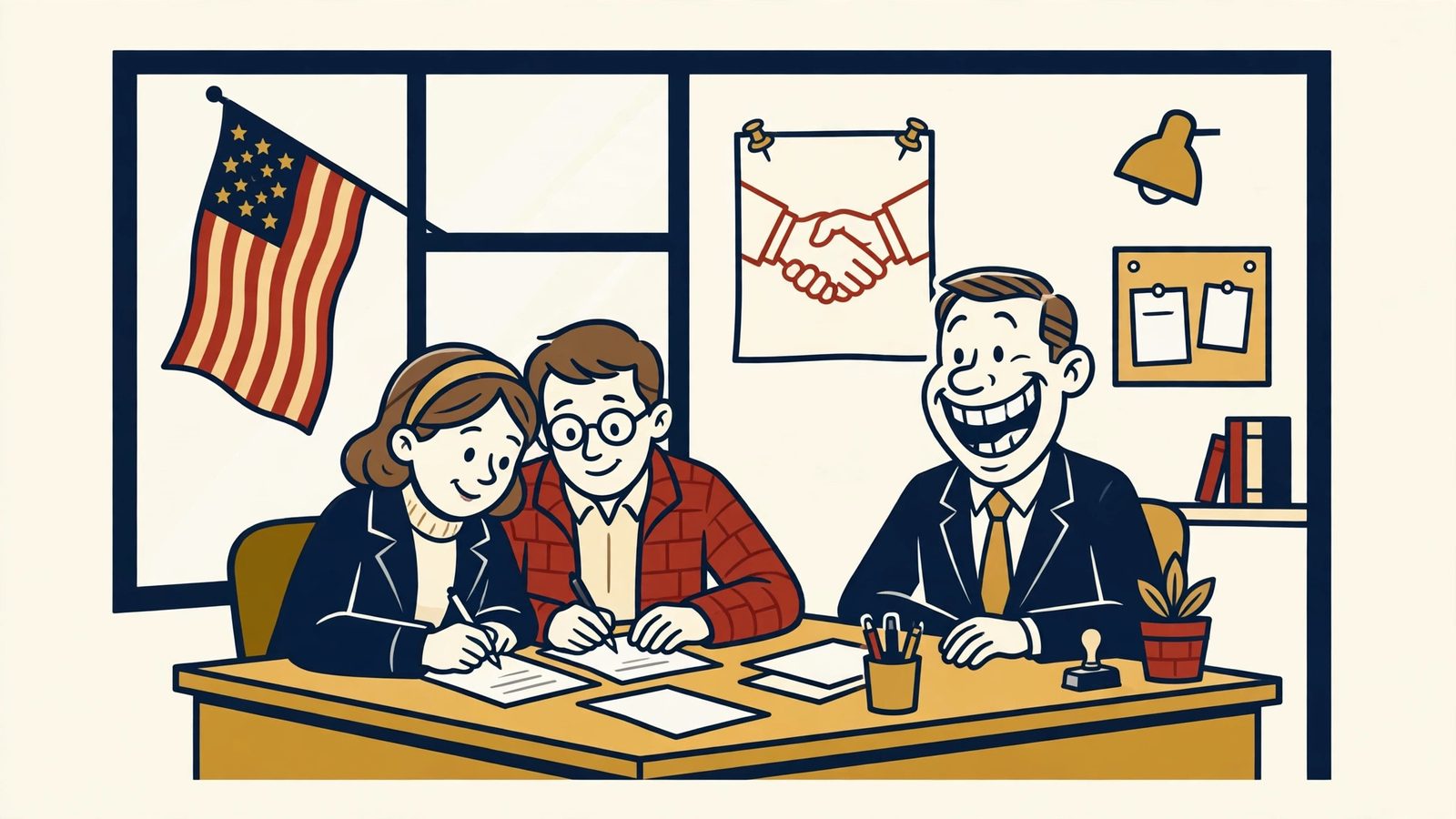
October 3, 2026
An official-sounding name and a familiar adviser can make a false opportunity feel legitimate. Teach your family the one verification rule that cuts through the story.
Read the alert →
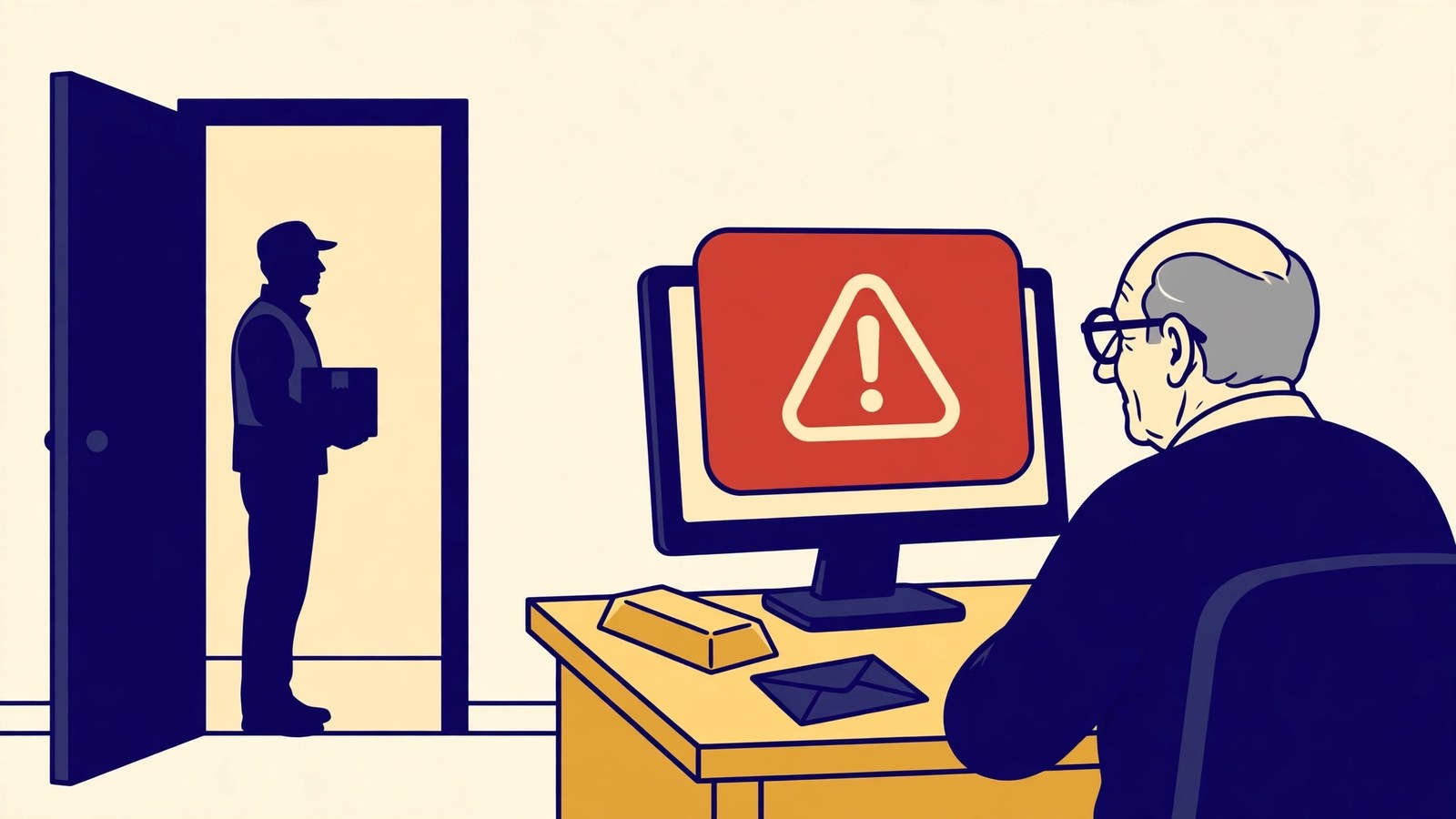
October 2, 2026
The scam moves from fake tech support to a staged bank or government investigation. Give your family this three-part rule before the warning appears.
Read the alert →
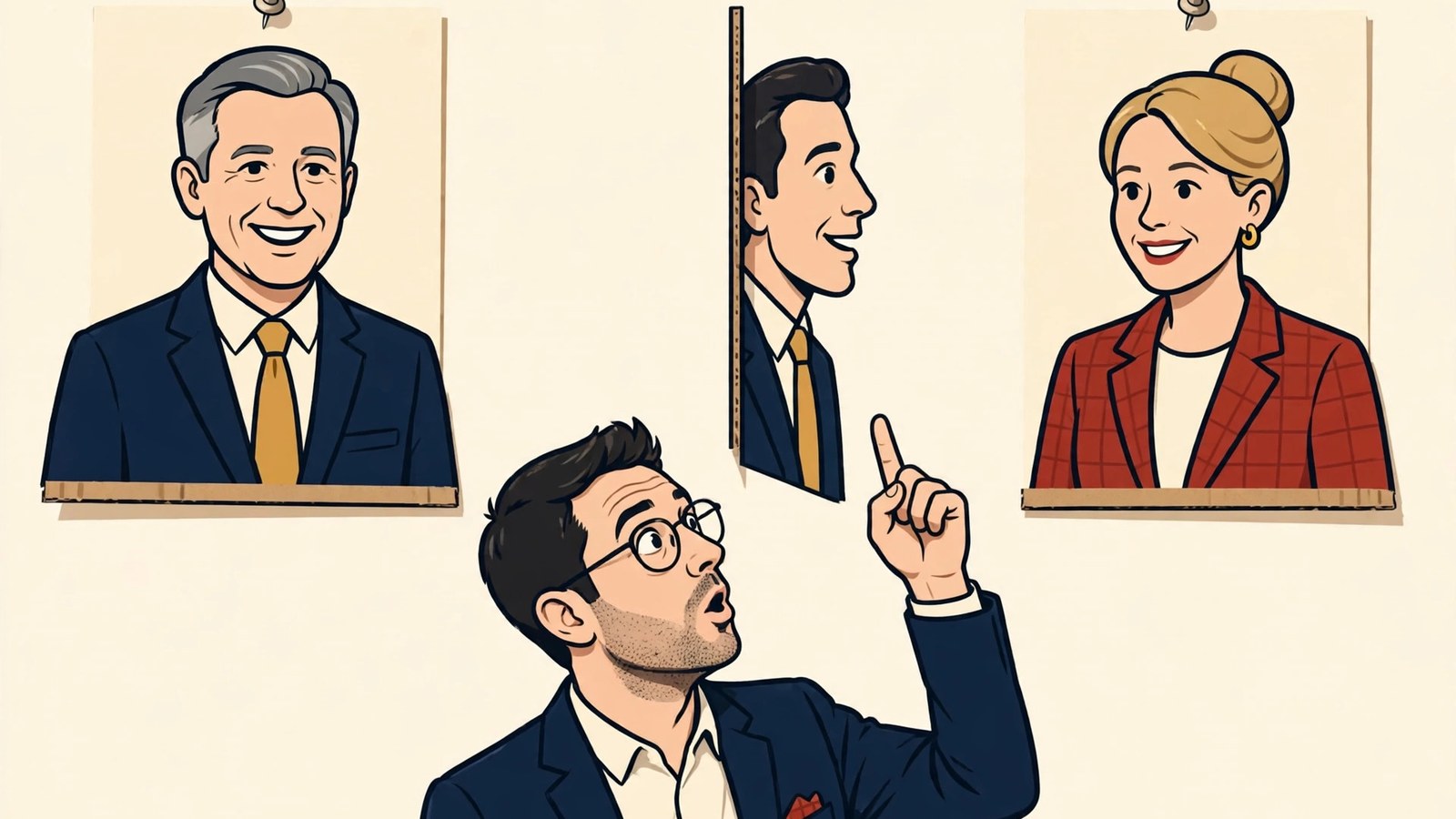
October 1, 2026
Fake references, false insurance claims, and fabricated records can support the same investment story. Learn how to verify outside it.
Read the alert →
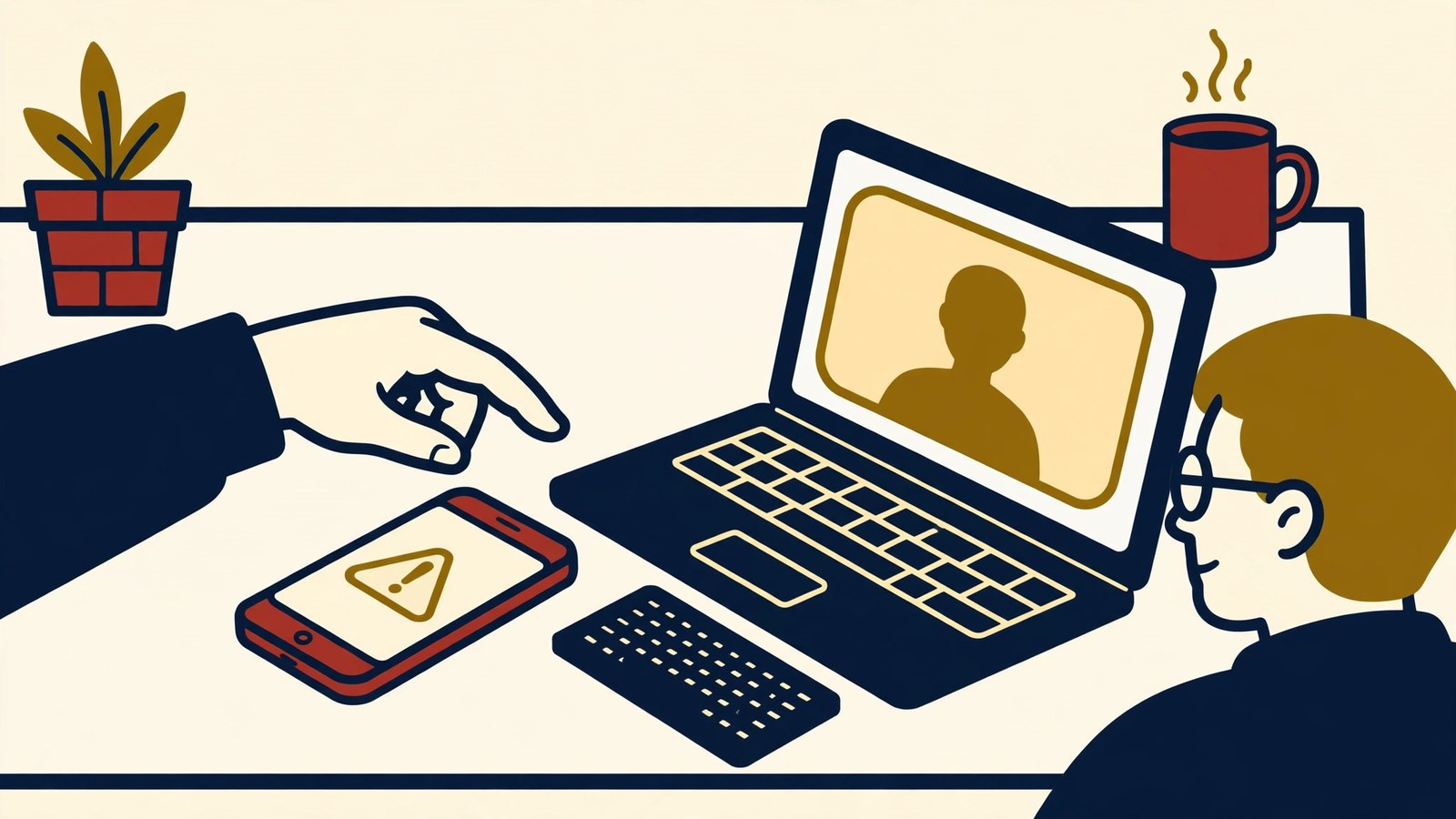
September 30, 2026
A fraudulent account alert can feel real when you are already speaking with support. Use this one rule to protect passwords and verification codes.
Read the alert →
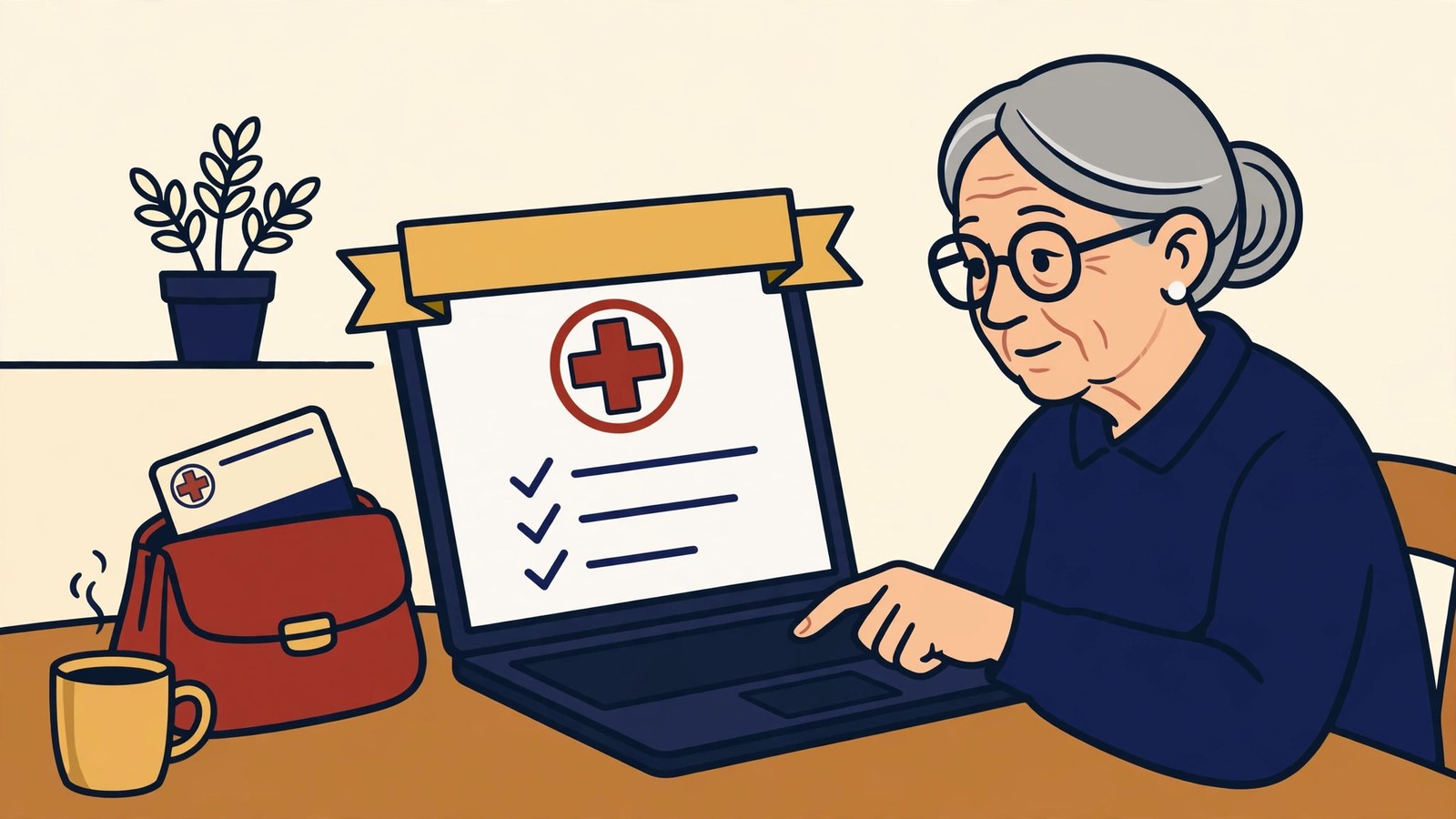
September 29, 2026
Lookalike Medicare and Marketplace pages can sell misleading products or steal personal information. Start with these verified addresses instead.
Read the alert →

September 28, 2026
Scammers can clone a real dealer's branding, inventory, and reviews. Use these two verification steps before sending a vehicle deposit.
Read the alert →

September 27, 2026
The first message may be friendly, not financial. Learn how online trust, fake trading profits, and withdrawal fees become one devastating scam.
Read the alert →
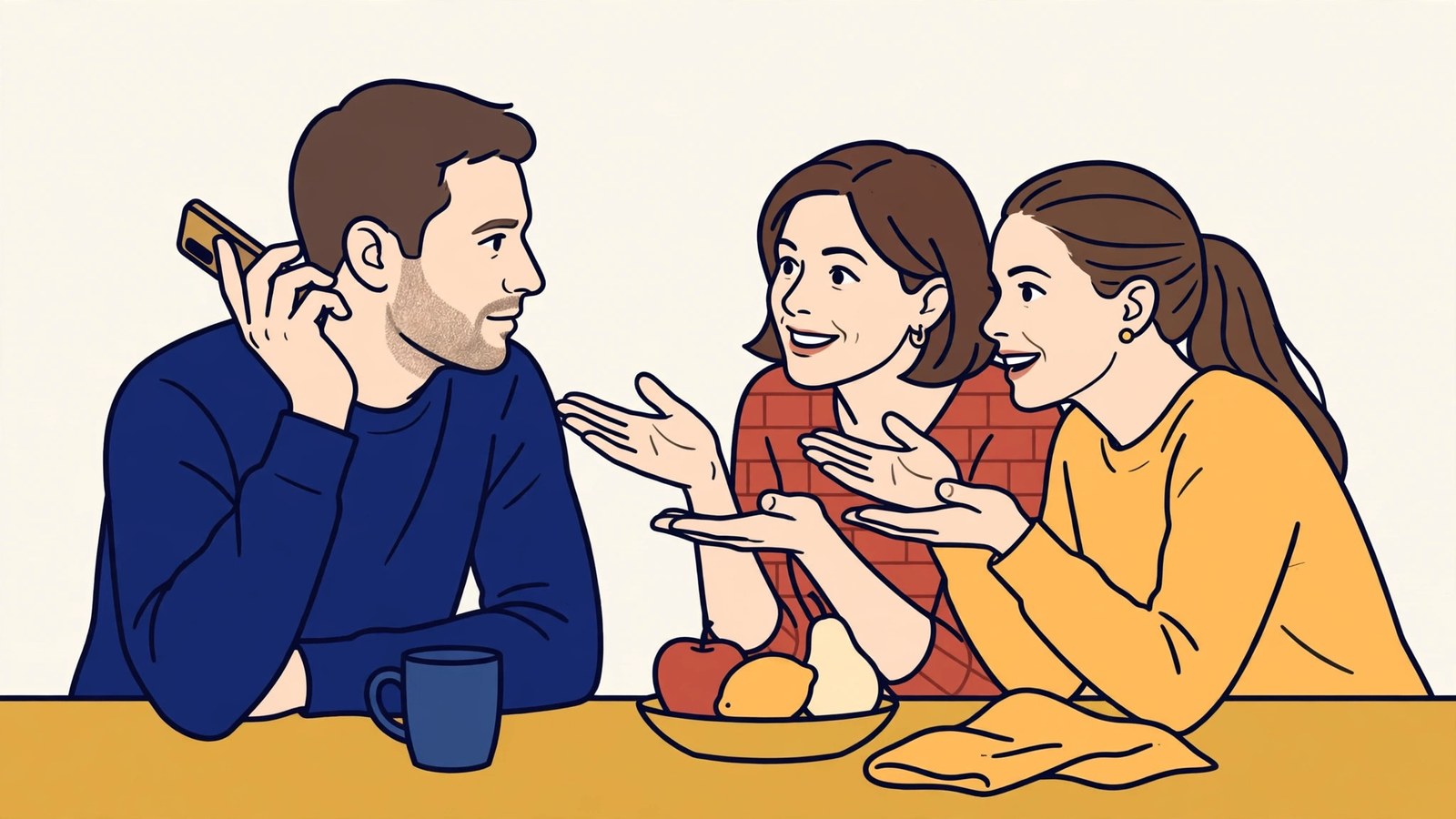
September 26, 2026
Fake officers use arrest threats, spoofed caller ID, and even AI video to isolate people. Give your family this one rule before the call arrives.
Read the alert →
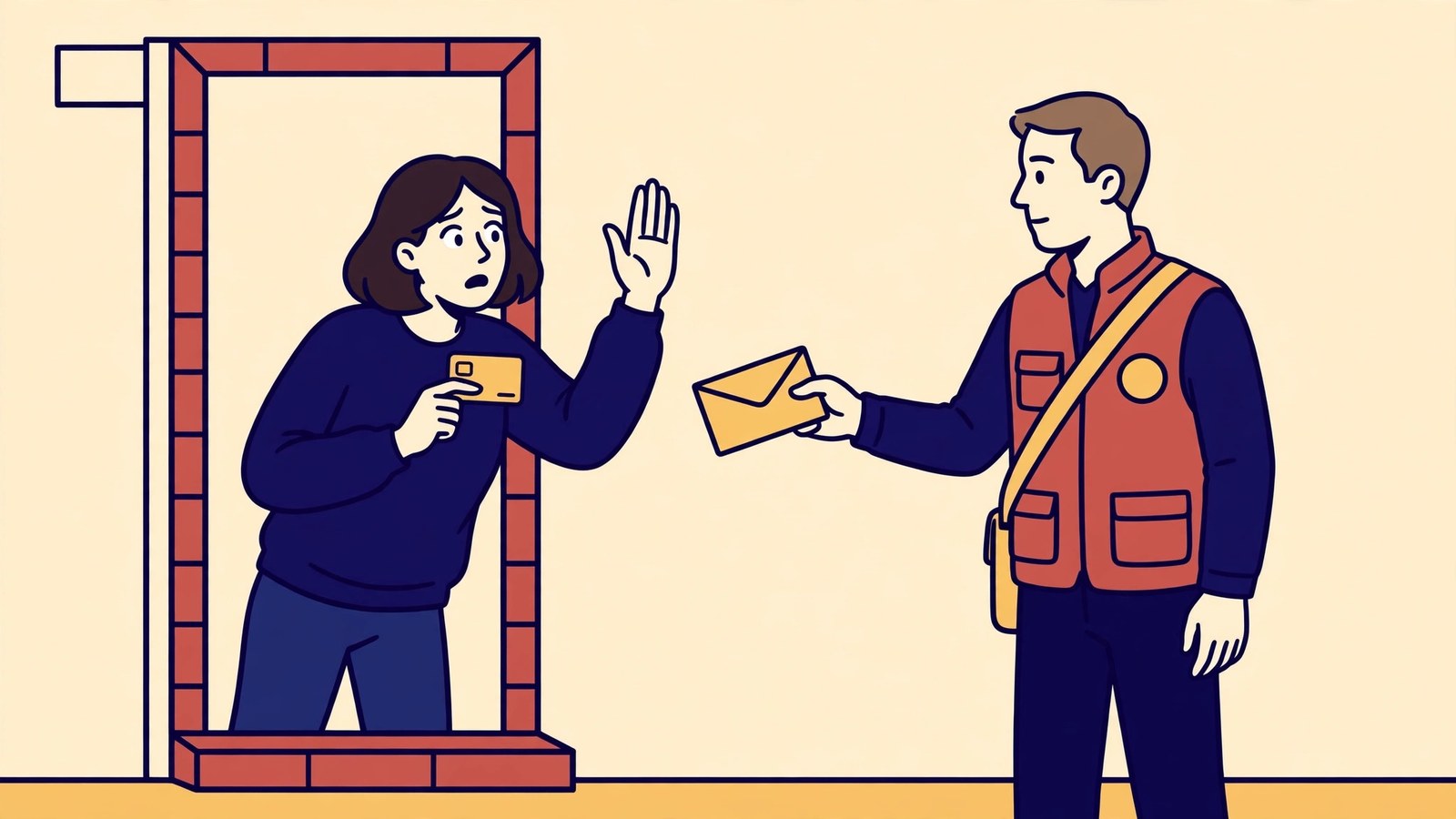
September 25, 2026
A caller can spoof your bank's name and send a real driver to your door. Give your family this simple rule before an urgent “fraud alert” arrives.
Read the alert →
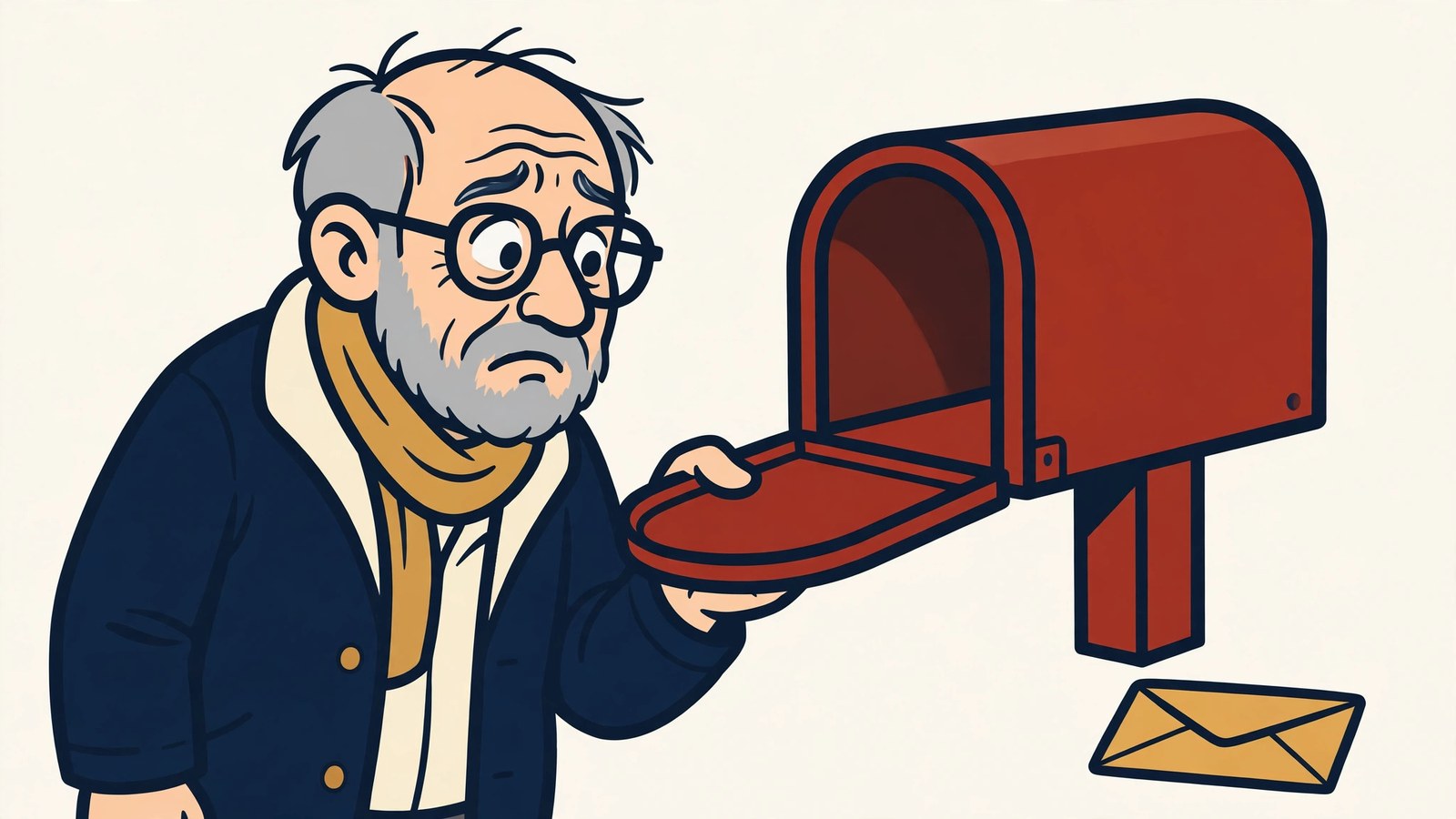
September 23, 2026
A recent elder-fraud case shows how redirected mail and replacement debit cards can hide identity theft. These simple account alerts can help a family notice sooner.
Read the alert →

September 22, 2026
Fake contractors and government impersonators count on families making decisions under pressure. Use this three-part check before signing or paying.
Read the alert →
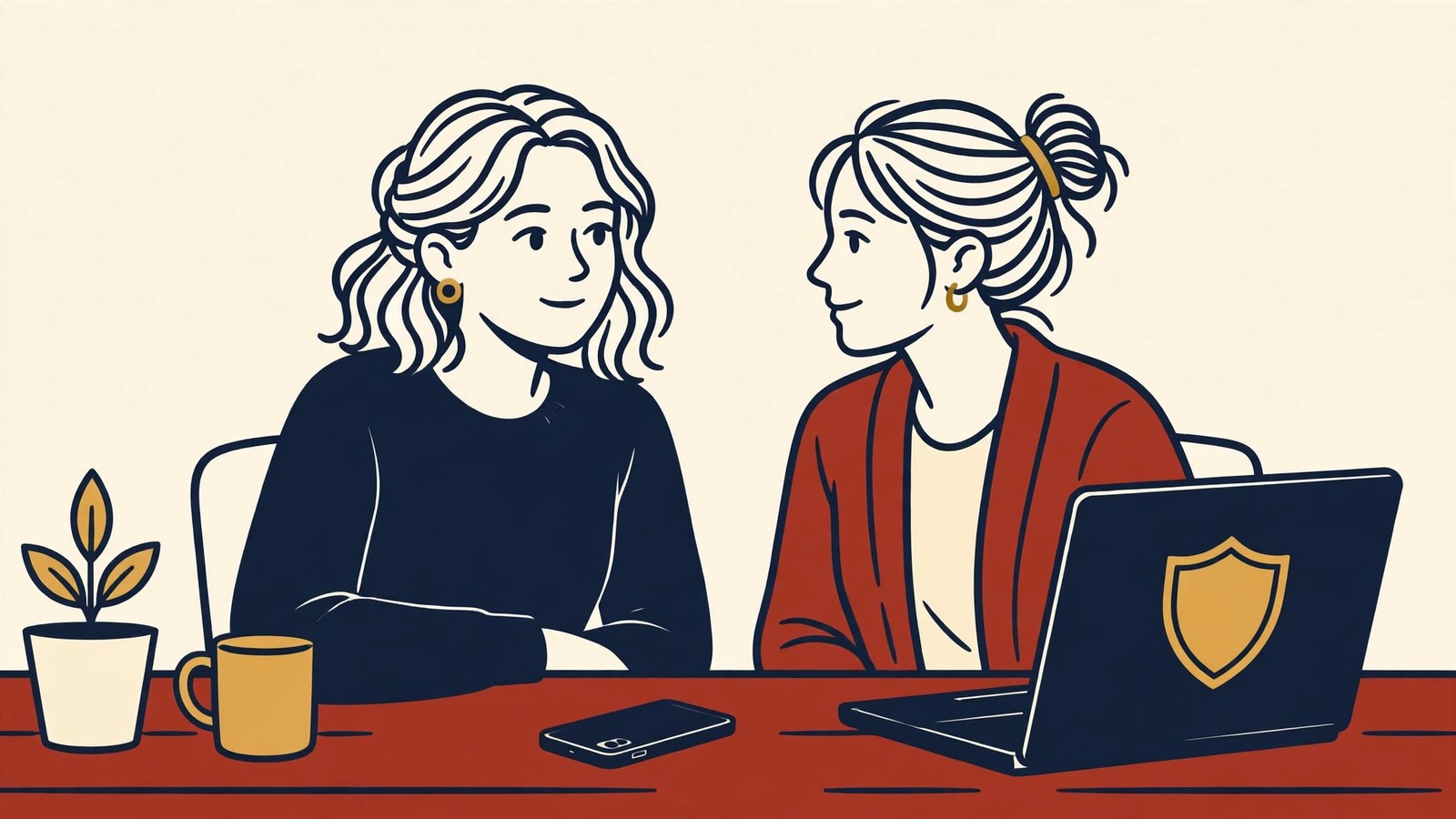
September 20, 2026
Covered platforms have removal obligations, and free fingerprinting tools can help limit the spread. Here is the calm, no-blame action plan every family should know.
Read the alert →
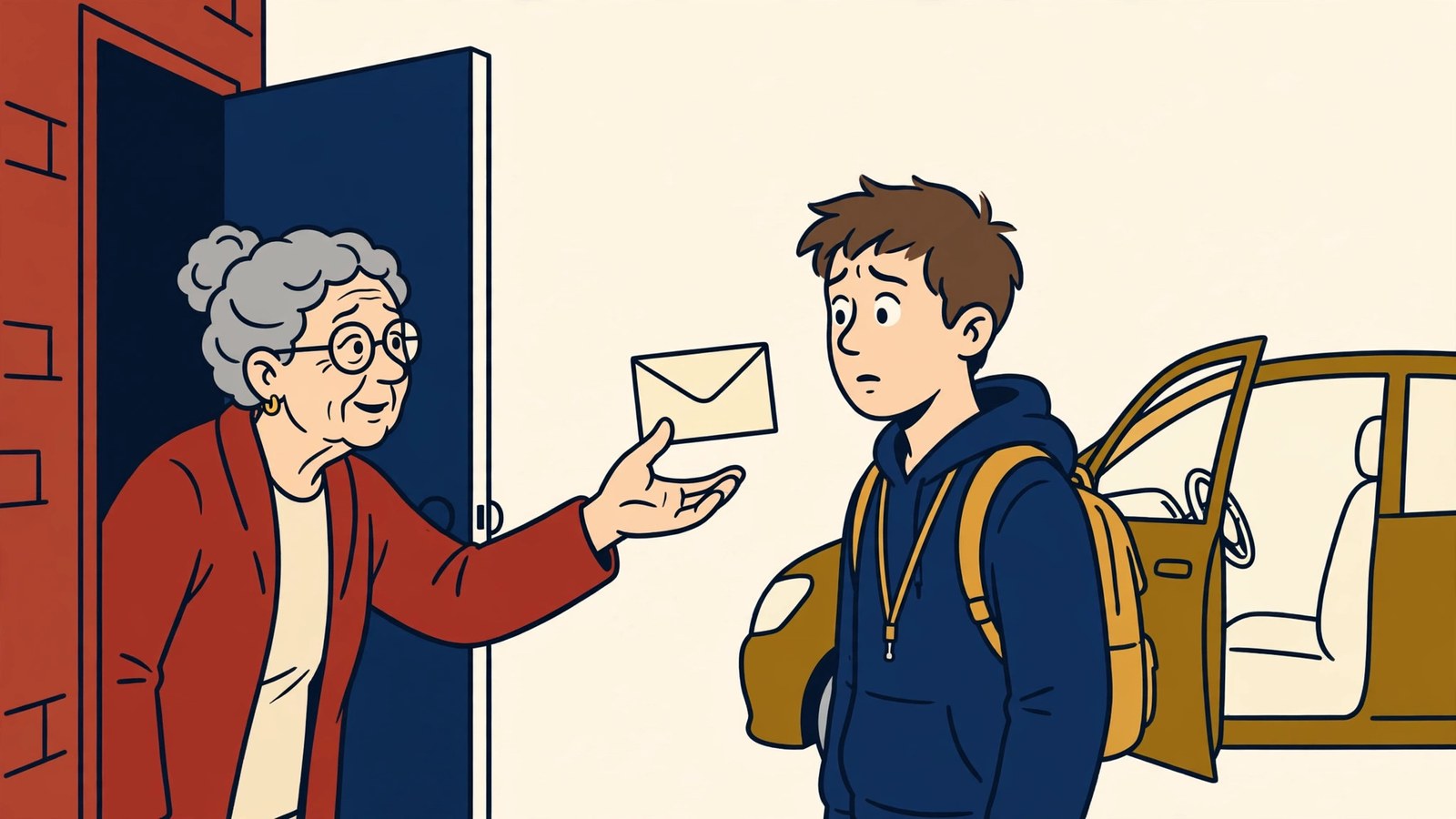
September 19, 2026
A recent federal case shows how grandparent scammers used unwitting rideshare drivers to collect envelopes from victims' homes. Teach your family the rule that stops the handoff.
Read the alert →

September 18, 2026
Fake equipment dealers are borrowing real business names, sending professional invoices, and asking for large wire payments. Here is the second-path check that can stop the transaction.
Read the alert →
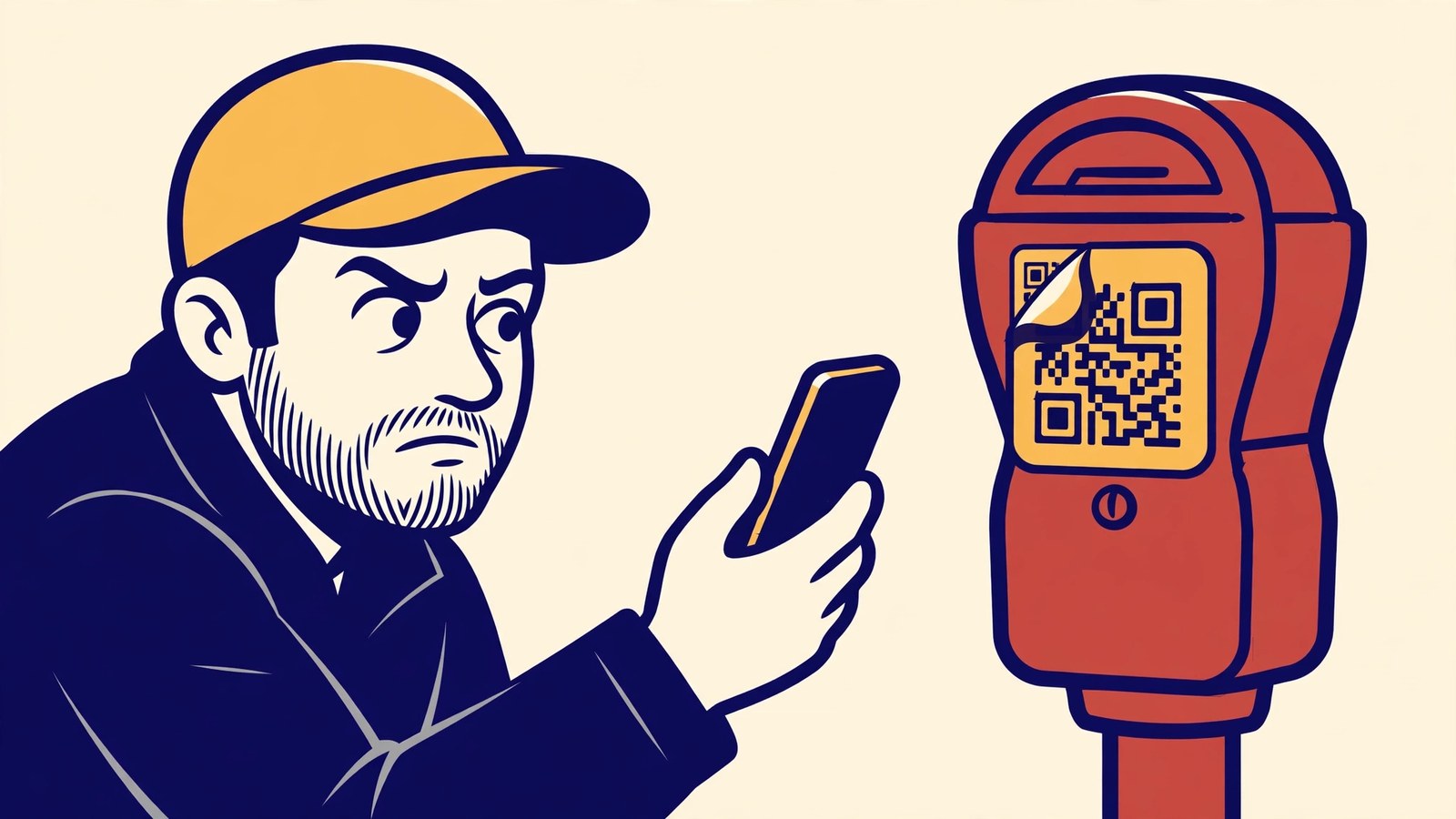
September 17, 2026
Fake stickers can send drivers to convincing payment pages built to steal card details. Here is the ten-second check your family should know.
Read the alert →
