
Scam alert · November 9, 2026
Selling Tickets Online? A Deposit Is Not the Same as a Safe Buyer.
Selling tickets or valuables online? Learn why different names, third-party pickup, and a Zelle deposit should make you pause before completing the sale.
Read this in five minutes. Then talk about it with someone you care about.
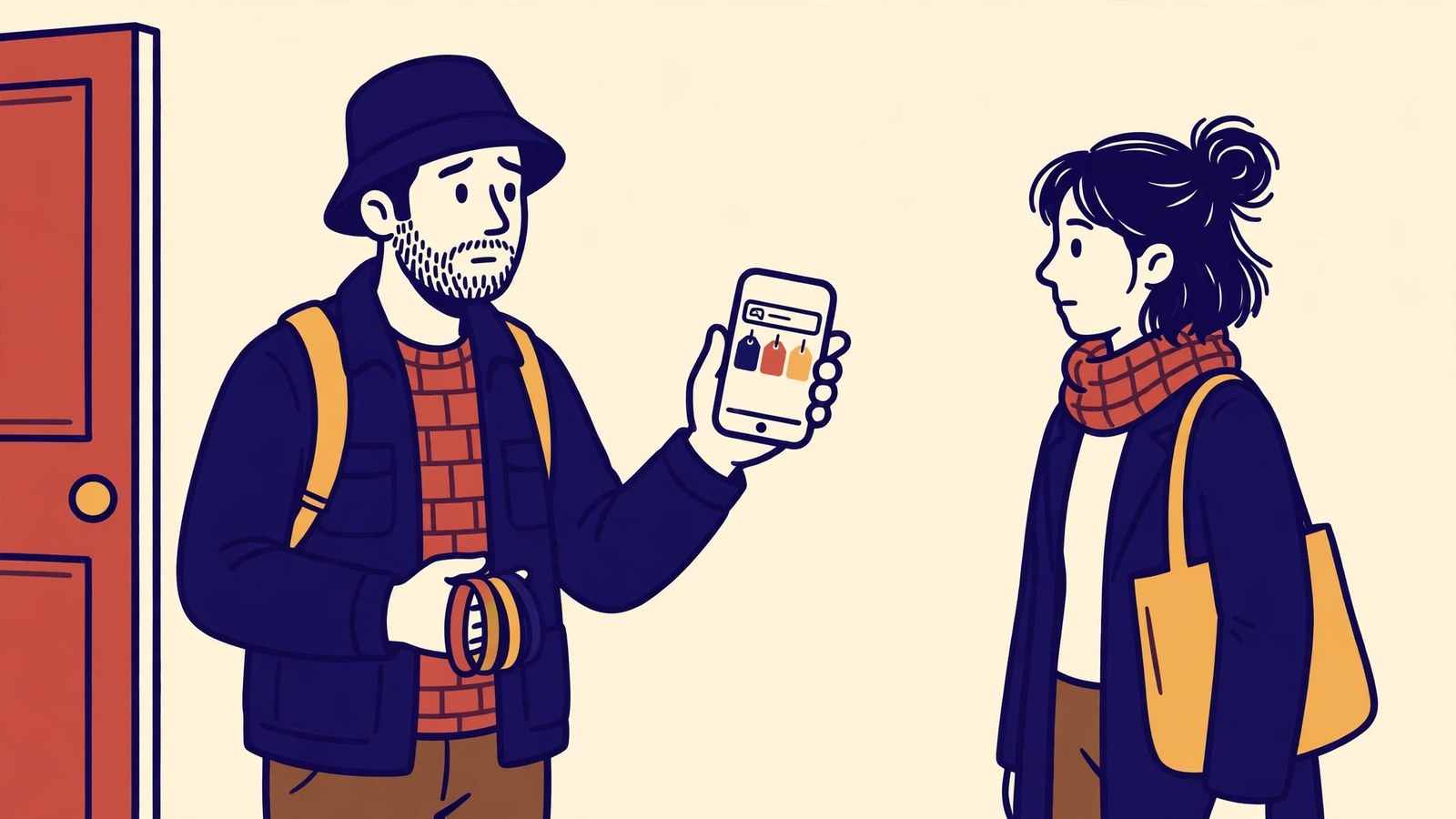
You list concert wristbands on Facebook Marketplace. A buyer responds and seems ready to pay. Then the details start changing.
The buyer says a daughter or friend will pick up the wristbands. The deposit comes through Zelle under another name. The person collecting the item wants a signed receipt. No single detail proves that the buyer is a scammer, but now one sale involves several people and several names.
That is the moment to stop making the transaction more complicated.
A fresh U.S. community question described this kind of sale. The seller had already received a deposit and was trying to decide whether the unusual arrangement was safe. It is a good reminder that seeing money in an account answers only one question: whether money arrived. It does not confirm that every person involved is who they claim to be.
Why the setup deserves a pause
The Federal Trade Commission warns that scammers posing as buyers may send fake payment notices, claim they paid twice, or ask the seller to refund money. The FTC also advises online sellers not to accept mobile payments from people they do not know.
Zelle says its service is intended for friends, family, and others you trust. It does not provide purchase protection for an item bought from an online sales site.
The risk increases when the person messaging you, the name connected to the payment, and the person picking up the item are all different. If something goes wrong, it becomes harder to show who agreed to the sale, who paid, and who received the property.
A scammer may also use a deposit to make the seller feel committed. Once you believe the sale is underway, it can feel rude or unfair to slow down. That pressure can lead you to overlook a name mismatch, accept a new payment method, or send a refund somewhere else.
Warning signs to notice
Pause the sale when:
- The person collecting the item is not the person who arranged the purchase.
- The payment arrives under a name that was not disclosed.
- The buyer sends a screenshot or email as proof instead of letting you verify the payment in your own account.
- You are asked to refund an overpayment or return the deposit to a different account.
- The buyer wants to move the conversation away from the marketplace.
- The pickup plan keeps changing or becomes more complicated.
- You are asked to share a verification code, banking details, or a copy of your identification.
- The receipt includes promises, personal information, or terms that were never part of the listing.
A signed receipt is not automatically suspicious. It can document a legitimate sale. But it should identify the item, price, date, and the person who actually receives it. Read every line and keep a copy.
The safer way to finish, or stop, the sale
Use this rule:
One buyer, one payment name, one pickup plan. If the identities do not line up, pause until they do.
Then take these steps:
- Check the deposit inside your own bank app. Do not trust a screenshot, email, or text saying you were paid.
- Do not send any money back while the arrangement is unclear. Never return money to a different person or payment account.
- Ask your bank what it recommends when a payment from an unfamiliar person may be connected to fraud. Do not rely on instructions from the buyer.
- Keep all communication inside the marketplace when possible. Save the listing, messages, payment details, and names used.
- Meet at a police safe-exchange area or another busy public location. Bring someone with you.
- Confirm the name of the person taking the item. If it does not match the buyer or payment sender, you can end the sale.
- Do not hand over the item because someone is rushing you, traveling a long distance, or says the event is approaching.
You are allowed to cancel a sale that no longer feels clear. A real buyer may be disappointed, but they should understand why an expensive transaction needs names and payment details that make sense.
Talk about it tonight
Ask your family: "If a Marketplace buyer paid under one name and sent someone else to pick up the item, what would you need to verify before handing it over?"
Agree on the answer before anyone lists tickets, electronics, jewelry, or other valuable items. The seller should be able to explain who is buying, who is paying, and who is receiving the item without guessing.
Want a second look before you answer?
Paste the buyer's request into the free Scam Detector. Remove names, phone numbers, payment handles, addresses, confirmation numbers, and other personal information first.
The goal is not to accuse every unusual buyer. It is to keep a confusing sale from becoming an expensive one.