
Scam alert · October 12, 2026
Three Weeks, 20 Families: How Fast a Grandparent Scam Can Move
A recent cross-border case shows how quickly grandparent scams can reach families. Make this simple emergency verification plan before the call arrives.
Read this in five minutes. Then talk about it with someone you care about.
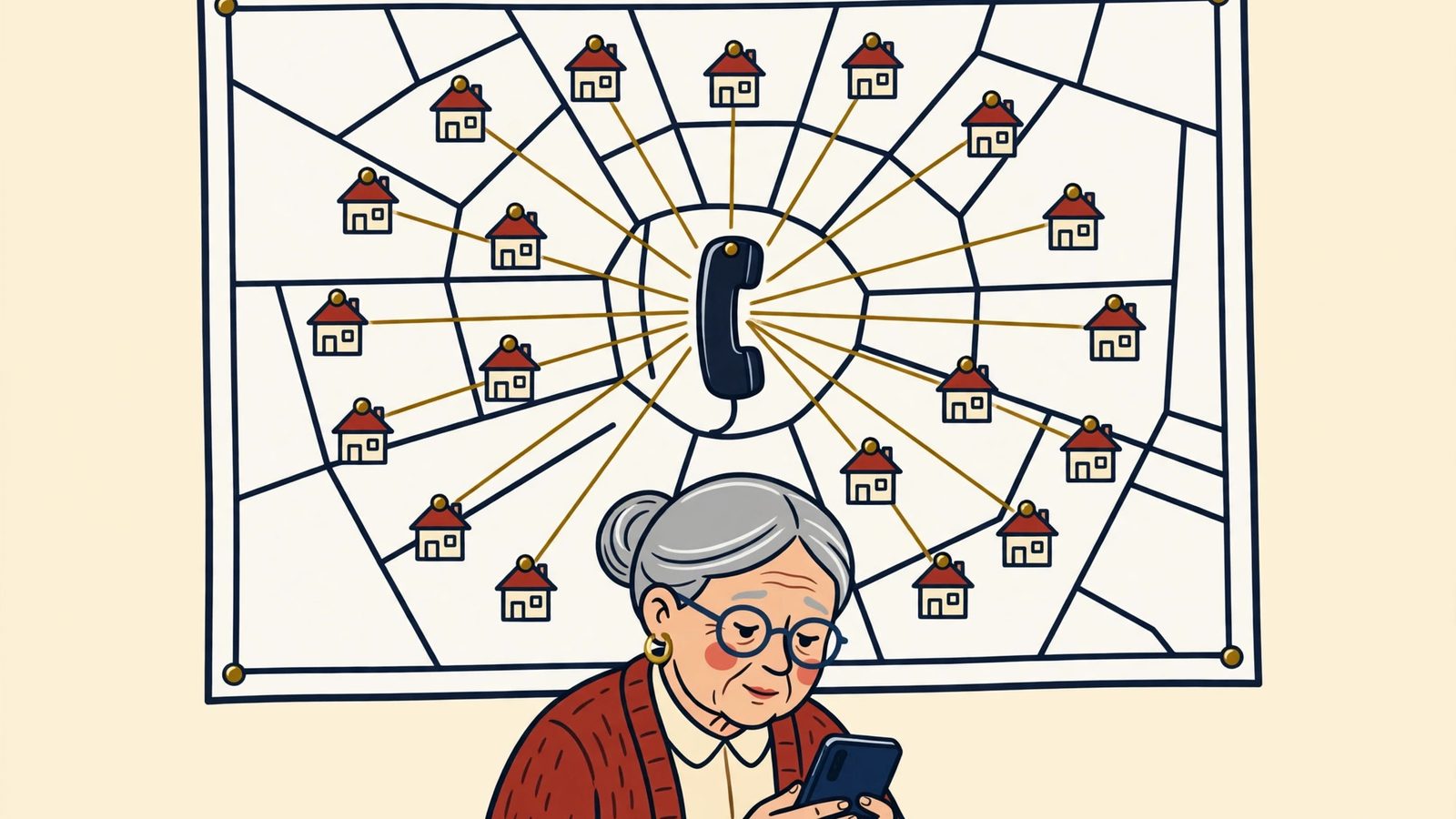
The phone rings. A frightened young voice says there has been an accident or arrest. Then a lawyer or bail bondsman takes over and explains exactly how much cash is needed.
The story feels personal. The operation behind it may be anything but.
On October 9, the U.S. Attorney's Office in Vermont announced the sentencing of a Canadian man who had pleaded guilty to conspiracy charges connected to a grandparent scam. According to court records, he recruited supposed “bail bondsmen” to travel into the United States, helped launder money taken from older Americans, and distributed it to co-conspirators.
His participation lasted only three weeks during July and August 2023. Prosecutors said approximately 20 older Americans were victimized during that period, and the court ordered $256,000 in restitution.
That short window reveals something families need to understand: this is not always one caller improvising a lie. A grandparent scam can have roles, scripts, recruiters, money collectors, and people moving the proceeds. The person at the door may be only one part of an operation designed to move faster than a family can verify the emergency.
Why the call feels so real
The opening voice may claim to be a grandchild. The caller might speak softly, say an injury changed their voice, or use AI voice cloning to imitate someone familiar. They may know names, travel plans, schools, or other details found online.
Next, an authority figure enters the story. A supposed lawyer, police officer, doctor, or bail bondsman adds structure and credibility. The first caller creates emotion; the second tells the victim what to do.
Then comes secrecy. The grandchild is embarrassed. A “gag order” prevents discussion. Parents must not be told. Secrecy keeps the grandparent away from the one conversation that could expose the lie.
Finally, the payment method changes the panic into action. A courier may collect cash at the door. The victim may be told to mail cash, send cryptocurrency, wire money, or provide gift-card numbers.
The story is different each time. The emotional sequence is remarkably consistent: fear, authority, secrecy, payment.
Warning signs to notice
Treat the call as suspicious when:
- A family member says they are in trouble but cannot speak normally or stay on the phone.
- A lawyer, officer, doctor, or bail bondsman immediately takes over.
- The caller says the situation must remain secret.
- You are warned that checking with another family member could make things worse.
- Someone demands immediate bail, legal fees, medical costs, or travel money.
- Payment must be made with cash, cryptocurrency, wire transfer, gift cards, or a courier.
- A stranger is coming to your home to collect money.
- The caller already knows family details and uses them as proof.
Information is not identity. A familiar voice is not identity. Caller ID is not identity.
The 60-second defense
Give every generation in your family this rule:
Hang up. Call back. Confirm with a second person.
Call the loved one using a number already saved in your phone. If they do not answer, call a parent, sibling, spouse, roommate, or another person who should know where they are. Do not use a number supplied during the emergency call.
Create a family verification word that is easy for your family to remember but not posted online. Treat it as one layer, not the only test. A caller who does not know it fails immediately. A caller who does know it must still survive the hang-up and callback rule.
Also agree that no genuine family emergency will ever require secrecy from the rest of the family. The sentence “Do not tell Mom” should trigger another call to Mom.
If money was already handed over
Act immediately. Contact the bank, wire service, cryptocurrency company, gift-card issuer, or payment app and say the transaction involved fraud. Ask whether funds can be frozen, recalled, or traced.
If a courier collected cash, call local police. Preserve doorbell video, camera footage, vehicle details, descriptions, phone numbers, messages, receipts, envelopes, and shipping records. Do not confront a courier who returns.
Report the incident to the FTC at ReportFraud.ftc.gov and the FBI's Internet Crime Complaint Center at IC3.gov. In the United States, people age 60 or older can call the National Elder Fraud Hotline at 1-833-FRAUD-11 for free support. In Canada, report to local police and the Canadian Anti-Fraud Centre at 1-888-495-8501.
Do not respond with blame. The operation was engineered to turn love into urgency and urgency into payment.
Talk about it tonight
Ask: “Who are the two people we would call if one of us supposedly needed emergency money?”
Choose them now. Save their numbers. Practice saying: “I love you. I am hanging up to verify this.”
To help your family understand why a familiar voice is no longer enough, try The Scam Hotline Voice Clone Education Demo. Use it together in a calm setting, then make your callback plan before a real emergency story puts everyone under pressure.
Scammers want silence. Families talk. Talk to yours today.