
Scam alert · September 28, 2026
The Website Had the Car. The Dealership Had No Record of the Payment.
Scammers are cloning real dealership websites and taking payment for cars they do not own. Learn the verification steps to use before sending a deposit.
Read this in five minutes. Then talk about it with someone you care about.
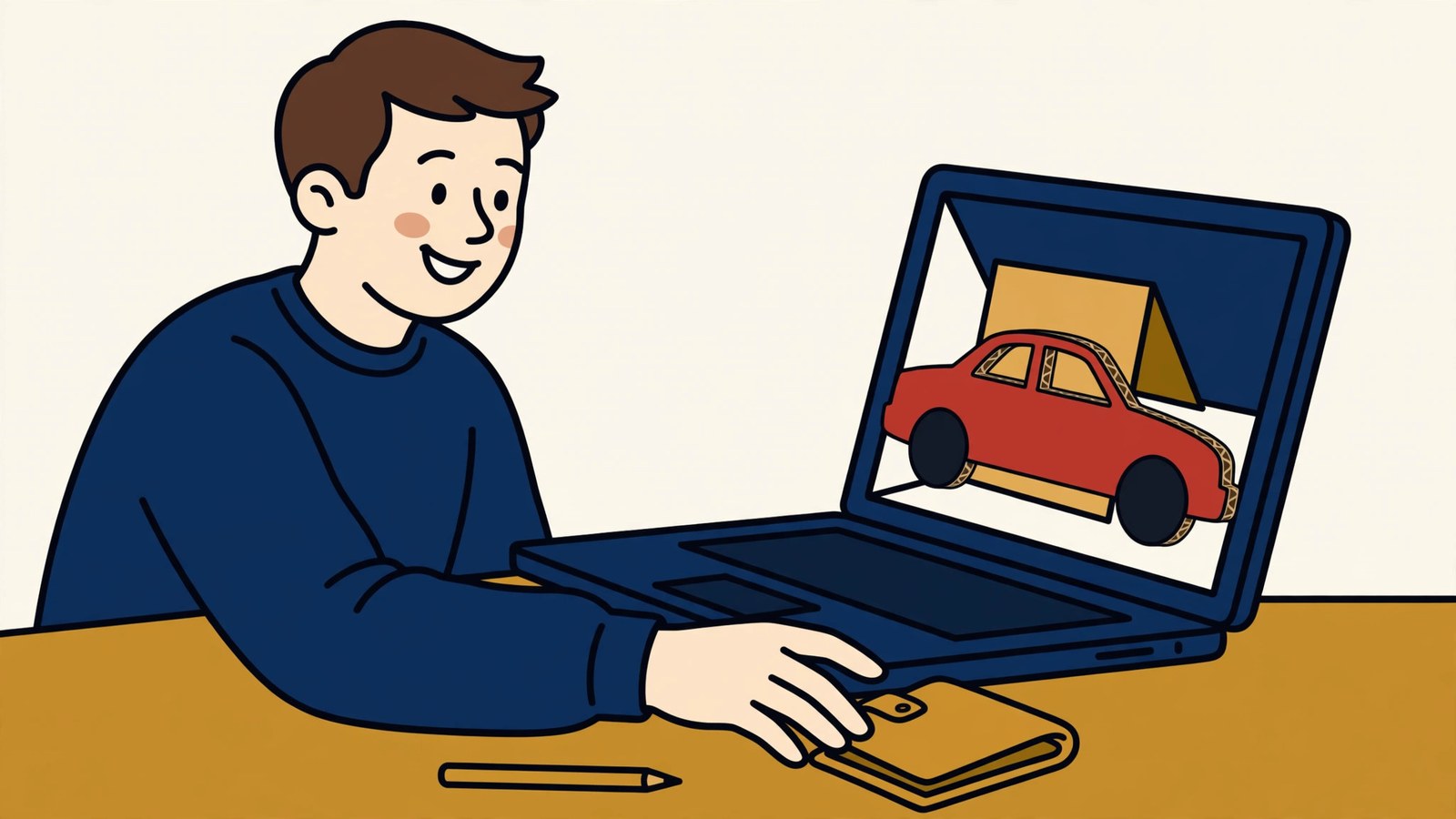
The dealership website looks complete. It has a familiar logo, rows of vehicle listings, polished photos, financing information, customer reviews, and a detailed return policy.
The salesperson answers questions. The car is available. The price is attractive. There is just one requirement: send an upfront payment before someone else buys it.
Then the buyer arrives at the real dealership and learns there is no order, no payment, and no car waiting for them.
The Federal Trade Commission warned this month that scammers are cloning real automobile dealership websites to sell vehicles they do not own. The fake site may copy the legitimate dealer's branding, listings, and photographs. The FTC says criminals are even using artificial intelligence to help produce convincing copies.
This is not a crude page with obvious misspellings. It may look like the business a buyer intended to visit.
Why the scam works
Buying a vehicle already involves unfamiliar paperwork, large payments, and time pressure. A hard-to-find classic, work truck, or specially equipped vehicle may be located hundreds of miles away. That makes remote shopping feel reasonable.
The scammer borrows the reputation of a real business. Search results may show years of positive reviews for that dealership because the dealership itself is legitimate. The false website benefits from trust the criminal never earned.
The vehicle listing adds urgency. If the car is rare or the price is unusually good, the buyer may worry that asking for more verification will cost them the opportunity. Detailed policies and professional conversations make the transaction feel routine.
But a polished website proves only that someone built a polished website. It does not prove who controls it or whether the seller owns the vehicle.
Warning signs to notice
Slow down when an online vehicle seller:
- Offers a difficult-to-find vehicle at a price that feels unusually favorable.
- Requires a deposit or full payment before an in-person visit or independent inspection.
- Insists that a wire transfer is the only acceptable payment method.
- Refuses to show the vehicle live on a video call or give access to an inspector.
- Creates urgency by saying several buyers are waiting or the price expires today.
- Uses an email address or website address that differs slightly from the dealership's established name.
- Will not let you speak with the dealership through contact information you found independently.
- Provides shipping, return, or refund promises that sound generous but cannot be verified outside the website.
A single sign may have an innocent explanation. Several together mean the payment should stop until the seller and vehicle are independently verified.
The 60-second defense
Give your family this rule:
No deposit leaves the family until we verify the dealership and the vehicle through a second channel.
Do not use only the phone number, email, or chat link shown on the page selling the car. Find the dealership through another trusted source and call its published number. Ask an employee to confirm the web address, salesperson, vehicle identification number, listing, and payment instructions.
Whenever possible, see the car and dealership in person. If distance makes that impractical, hire an independent mobile inspection service in the vehicle's location. The FTC recommends walking away if the seller refuses an in-person visit or independent inspection.
Search the dealer's name along with words such as “scam,” “review,” and “complaint,” but remember that good reviews of the real dealership do not authenticate a separate website. Confirm the exact web address and transaction directly with the business.
Finally, pause if a seller requires an upfront wire transfer. The FTC specifically warns buyers to walk away from a dealership that insists on wire payment only.
If money was already sent
Contact the bank, wire service, card issuer, or payment company immediately. Say the payment was induced by an impersonation scam and ask whether it can be stopped, recalled, or disputed. Acting quickly does not guarantee recovery, but delay makes recovery harder.
Save the fake website address, listing, emails, text messages, invoices, payment instructions, phone numbers, and transaction receipts. Notify the real dealership that its name and inventory may be impersonated. Report the scam to the FTC at ReportFraud.ftc.gov and to the FBI's Internet Crime Complaint Center at IC3.gov.
Do not pay a second person who promises to recover the money for an upfront fee. That may be another scam aimed at the same victim.
Talk about it tonight
Ask: “Before anyone in our family sends a vehicle deposit, what two things must we verify?”
Make the answer simple: the real dealership and the real vehicle, using contact information and an inspection the seller did not control.
If a vehicle listing, seller, payment request, or dealership website feels uncertain, describe it in The Scam Hotline Scam Detector. Do not include banking details, driver's-license images, passwords, or other sensitive information. The free tool can help identify warning signs and plan the next verification step.
Scammers want silence. Families talk. Talk to yours today.