
Scam alert · October 4, 2026
The FBI Agent Was Real. The Call Was Still a Scam.
Scammers are using real agents' names, spoofed FBI numbers, and staged video calls. Learn the verification step your family cannot afford to skip.
Read this in five minutes. Then talk about it with someone you care about.
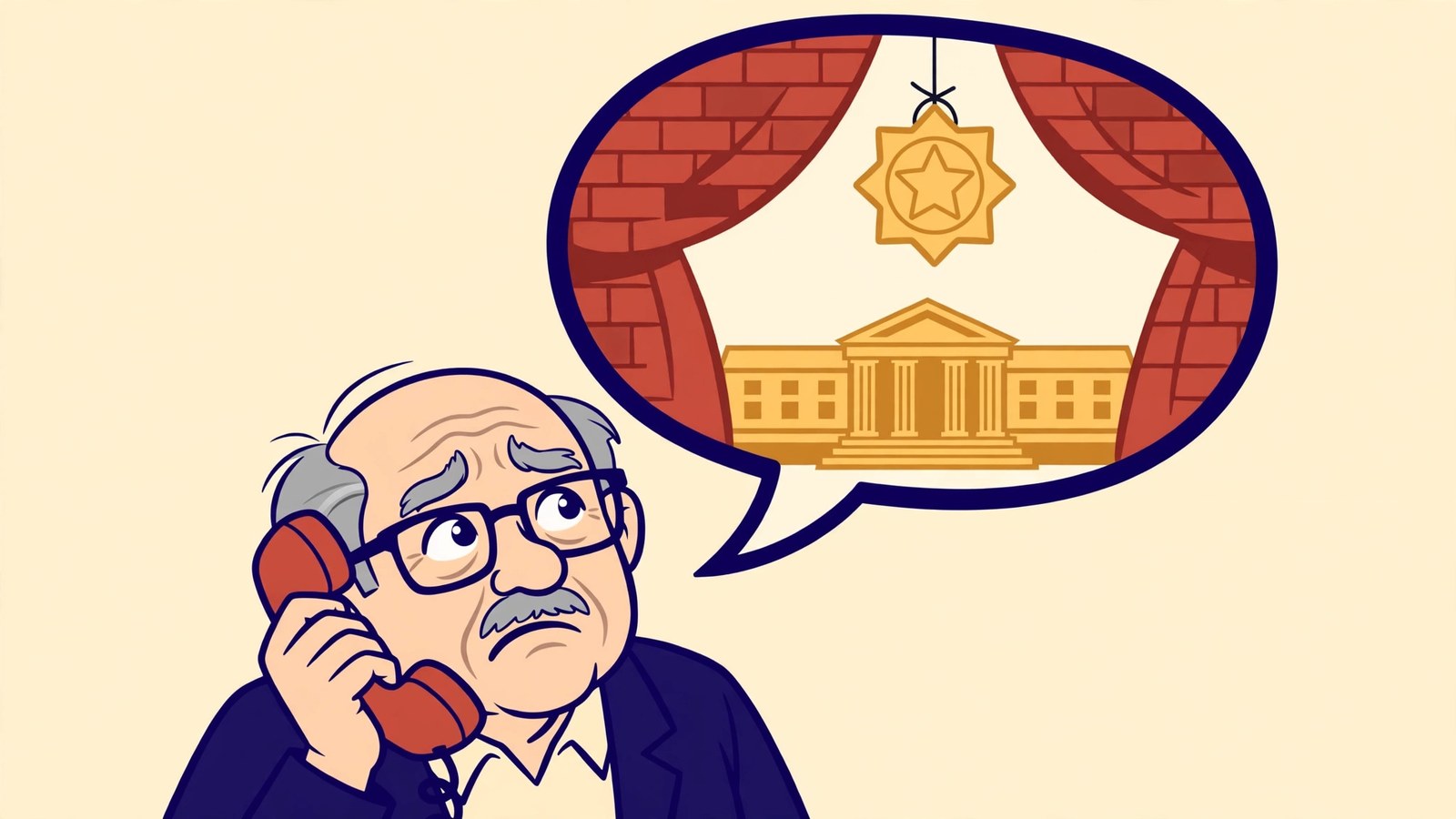
Imagine getting a call from someone who says he is an FBI agent. The number on your screen belongs to an FBI field office. The name he gives you belongs to a real agent. He may even join a video call from what looks like a government office, with an FBI seal behind him.
You check the name. It is real.
The caller is not.
FBI Newark recently warned about this updated version of a government-impersonation scam reported by victims in New Jersey. According to the FBI, criminals have posed as FBI, DEA, and Secret Service agents while spoofing the phone numbers of real federal field offices. They use the names of actual agents, making a basic online search appear to confirm the story.
In one reported example, a fraudster used a virtual-meeting platform and staged the background to resemble an FBI office, complete with a desk, an FBI seal, and a person in a suit.
This is why “the name and number checked out” is no longer enough.
Why the performance works
Government-impersonation scams use authority and fear together. The caller may claim your identity was connected to a crime, your Social Security number was misused, a warrant has been issued, or your money must be moved for protection.
The title “special agent” discourages disagreement. The threat of arrest creates urgency. A badge, case number, official seal, or video background gives your brain visual proof before you have time to examine the claim.
Then comes the most convincing detail: some parts of the story are true. The agency exists. The office number is real. The agent's name may be real. But scammers can copy public information and manipulate caller ID. Confirming one true detail does not confirm the person contacting you.
The scammer wants you to verify the decoration while accepting the demand.
Warning signs to notice
Stop when someone claiming to be with law enforcement:
- Demands money, cryptocurrency, gift cards, gold, or a wire transfer.
- Threatens immediate arrest unless you cooperate or pay.
- Says your savings must be moved to a “safe” or government-controlled account.
- Tells you not to speak with family, your bank, or an attorney.
- Keeps you on the phone while you withdraw or transfer money.
- Uses a video background, badge image, official seal, or caller ID as proof.
- Gives you a phone number to call instead of letting you find one yourself.
- Uses a real employee's name but will not let the agency independently confirm the contact and case.
The FTC says government agencies do not call, email, text, or send social-media messages asking for money or personal information. The FBI says never send money to anyone claiming to be a federal law-enforcement agent.
The 60-second defense
Give your family this rule:
Hang up. Find the agency yourself. Verify the contact and the case.
Do not call the number shown on caller ID, in a voicemail, in a text, or on a document the caller sent. Open the agency's official .gov website yourself and use the published main number. Tell the person who answers that you may be the target of an impersonation scam.
Do not ask only, “Does Agent Smith work there?” A scammer may have borrowed a real name. Instead ask, “Is this agent trying to contact me, and is this case or request legitimate?” If the office cannot confirm both, stop communicating with the original caller.
If you cannot reach the local field office, the FBI recommends contacting the agency's main office. For the FBI, call 1-800-CALL-FBI.
If you already paid or shared information
Contact the bank, card issuer, payment service, cryptocurrency platform, or wire-transfer company immediately. Say clearly that the transaction resulted from government impersonation fraud and ask whether it can be stopped, recalled, or frozen.
Change exposed passwords from a device you trust, beginning with email and financial accounts. If you shared Social Security or identity information, visit IdentityTheft.gov for a recovery plan and consider freezing your credit.
Save caller information, messages, documents, payment records, usernames, meeting links, and screenshots. If the impersonator appeared on video, the FBI advises taking photos or recording the video when it is safe to do so. Submit the evidence at tips.fbi.gov or call 1-800-CALL-FBI. Report the scam to the FTC at ReportFraud.ftc.gov as well.
Respond without blame. This scheme is designed to survive the very checks people have been taught to perform.
Talk about it tonight
Ask: “If someone claiming to be an agent called us, what exactly would we verify after hanging up?”
Practice the answer: the person, the contact, and the claimed case. A real-looking number, a real name, or an official-looking video is not enough.
If your family receives an alarming call or message, describe it in The Scam Hotline Scam Detector. Leave out account numbers, Social Security numbers, passwords, and verification codes. The free tool can help identify pressure tactics and organize the next verification step.
Scammers want silence. Families talk. Talk to yours today.