
Scam alert · November 5, 2026
The Car Dealership Was Real. Its Website Was a Clone.
Scammers are cloning real dealership websites and selling cars they do not own. Learn how to verify the vehicle before sending a deposit.
Read this in five minutes. Then talk about it with someone you care about.
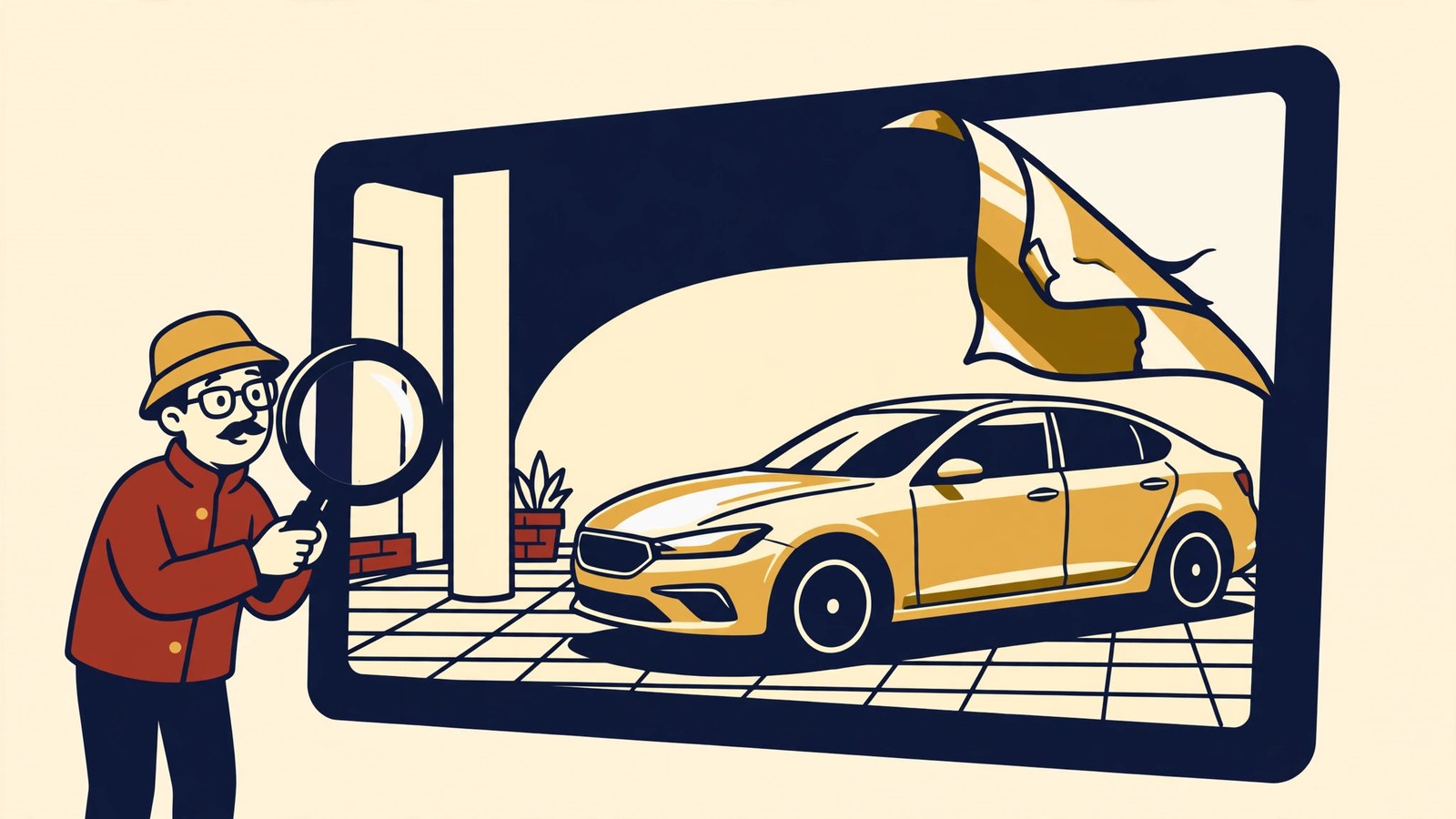
The dealership has a familiar name. Its website shows a street address, polished vehicle photos, customer testimonials, financing information, and a generous return policy.
The rare car you have been searching for is finally available. The salesperson says other buyers are interested, but a deposit or wire transfer will hold it.
You send the money. Then you contact or visit the real dealership and learn it has no record of the sale. The vehicle was never there.
The Federal Trade Commission has warned about scammers cloning legitimate car dealership websites. They copy logos, photos, listings, and other details, sometimes using AI to reproduce a convincing site quickly. The business being impersonated may be completely real. The website, salesperson, and vehicle offer are not.
Why it works
This scam borrows trust instead of building it.
When a buyer searches the dealership's name, they may find years of positive reviews for the real business. The address may lead to an actual showroom. The inventory photos may have been copied from legitimate listings. Even a skeptical shopper can perform basic research and find information that appears to confirm the story.
Scarcity adds pressure. Classic cars, specialty vehicles, work trucks, and desirable used models can be difficult to find. A buyer who believes the next caller may get the car is more willing to send money before seeing it.
The fake seller may also explain the purchasing process in detail, provide a sales agreement, or promise delivery and a return window. Professional paperwork does not prove that the person sending it owns the vehicle.
Warning signs to watch for
Slow down when an online vehicle seller:
- Offers a rare or desirable car at a price that is noticeably below the market.
- Refuses an in-person viewing or an independent inspection.
- Says the vehicle is in a warehouse, being shipped, or temporarily unavailable to inspect.
- Pressures you to send a deposit because other buyers are waiting.
- Requires an upfront wire transfer or another payment that is difficult to reverse.
- Uses an email address that does not exactly match the dealership's verified domain.
- Sends paperwork with contact information that differs from the business's established listings.
- Discourages you from calling the dealership's main number.
- Provides a vehicle identification number but will not permit a live video inspection showing the car and VIN together.
The FTC's clearest advice is practical: ask to see the car and the dealership in person. If distance makes that impossible, hire an independent mobile inspection service. A refusal is a reason to walk away.
The 60-second defense
Use one family rule for major purchases:
Verify the seller through a channel the seller did not provide.
Do not rely on the phone number, email, map link, or reviews displayed on the vehicle page. Search for the dealership through multiple independent sources. Compare the web address carefully. Call a published main number and ask for the salesperson by name.
Then verify the vehicle itself. Request a live video call that begins outside the dealership, shows the vehicle continuously, and includes the VIN. Better still, see it in person or arrange an inspection from a company you select and contact independently.
Do not let a deposit deadline replace verification. A legitimate car may sell while you check. Losing a deal is disappointing; sending money for a vehicle that does not exist is far worse.
If money or information was already sent
Contact the bank or payment provider immediately and say that the transaction resulted from fraud. Ask whether the wire, transfer, or payment can be recalled or frozen. Speed matters, although recovery is not guaranteed.
Save the website address, listing, emails, text messages, sales documents, payment instructions, phone numbers, and screenshots. Contact the real dealership and let it know its identity and inventory are being copied. Report the fake site and advertisement to the platform or search engine where you found it.
File a report at ReportFraud.ftc.gov and with local law enforcement. If the scheme operated online, report it to the FBI's Internet Crime Complaint Center at IC3.gov. If you shared a driver's license, Social Security number, or other identity information, visit IdentityTheft.gov for a recovery plan.
Do not pay anyone who later promises to recover the vehicle or money for an upfront fee. A recovery offer may be a second scam aimed at the same victim.
Talk about it tonight
Ask your family:
“For a large online purchase, what would count as proof that both the seller and the item are real?”
Agree that a website, review page, document, or caller ID is not enough by itself. The family standard should include independent contact and physical verification before money moves.
Scammers can copy the appearance of a business. They cannot easily produce the actual vehicle for an inspector you chose.
If an online vehicle listing or seller message feels uncertain, paste its wording into the free Scam Detector for help identifying pressure tactics and planning what to verify. Remove names, VINs, addresses, financial details, and other sensitive information first.