
Scam alert · October 6, 2026
The First Medicare Search Result May Be an Ad, Not Medicare
Before Medicare Open Enrollment, scammers use paid search ads and official-looking sites. Learn the safe way to compare plans without exposing your identity.
Read this in five minutes. Then talk about it with someone you care about.
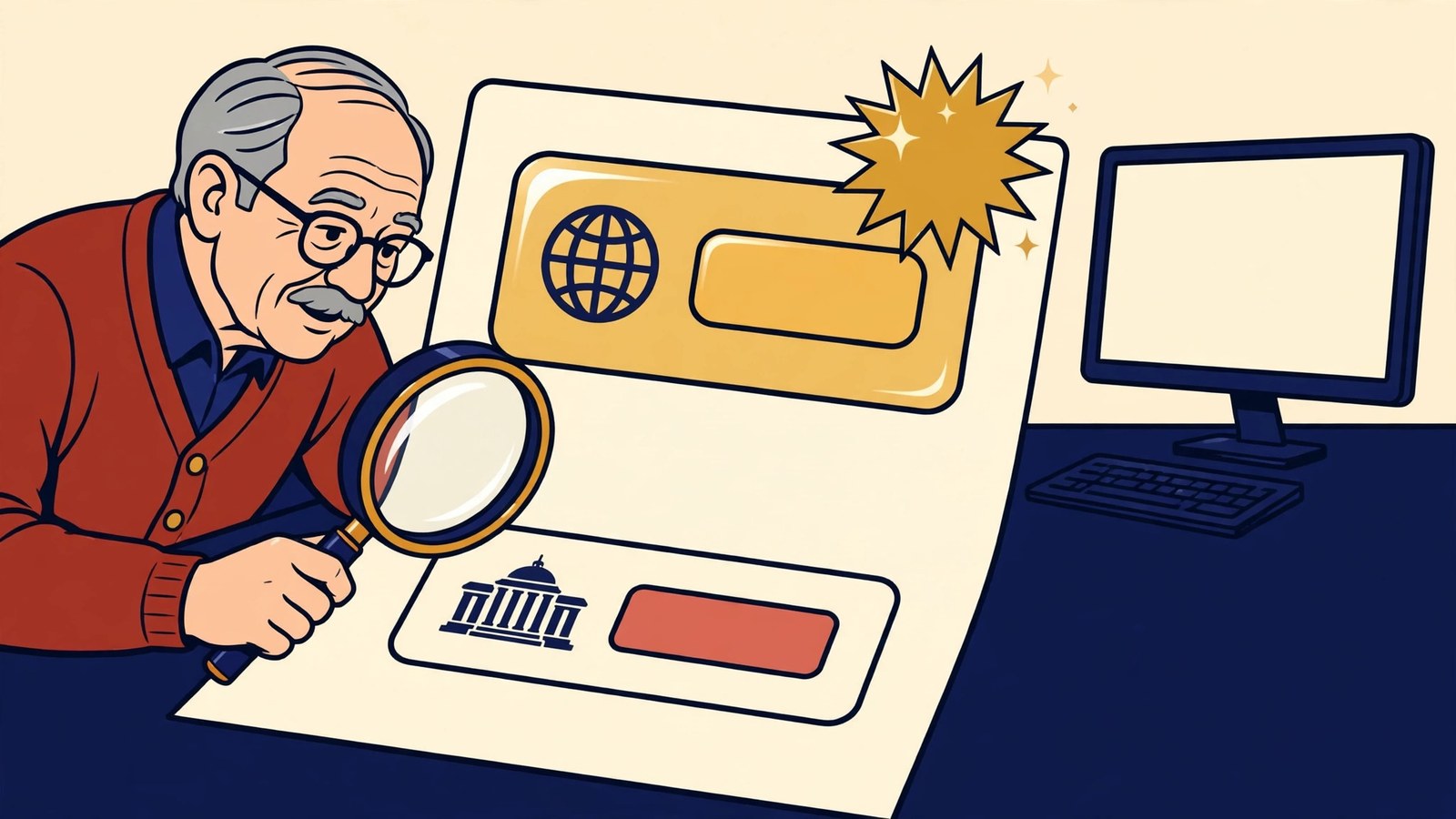
Medicare Open Enrollment begins October 15. That means millions of families will soon compare health and drug plans, review costs, and decide whether current coverage still fits.
It also means scammers know exactly what people will be searching for.
The Federal Trade Commission recently warned that health-insurance scams often increase during Open Enrollment for Medicare and the Health Insurance Marketplace. Scammers and dishonest businesses may pay to appear near the top of search results. Their ads can use official-looking logos, familiar keywords, and web addresses that resemble government sites.
Clicking one could lead to a plan that is not real health insurance. It could also expose a Medicare number, Social Security number, financial information, or other details that can be used for medical identity theft.
The dangerous assumption is simple: if a result appears first, it must be official.
It is not. Search position can be purchased.
Why this works
Shopping for coverage is complicated. People are comparing premiums, prescriptions, provider networks, and benefits while trying to understand language they may see only once a year. A polished result that promises personal help feels useful.
The timing also lowers our guard. We expect to see Medicare advertising during enrollment season, so another call, postcard, or sponsored result does not feel unusual. A familiar red, white, and blue design or a word such as “Medicare” in the web address can make a private company or fake site look governmental.
Then urgency takes over. A caller may say your benefits will expire, your card must be replaced, or you need to verify information before the deadline. The real enrollment calendar makes the invented emergency sound believable.
Warning signs to notice
Pause when:
- A search result carries a small “Ad” or “Sponsored” label.
- The web address resembles a government site but does not end in
.gov. - A caller says your Medicare benefits will be cancelled unless you act immediately.
- Someone asks for your Medicare number, Social Security number, bank information, or credit card during an unexpected contact.
- A representative refuses to provide written plan details for you to review.
- The offer sounds like Medicare but cannot be found through Medicare.gov.
- You are pressured to enroll before talking with family or an independent counselor.
- A person asks you to pay for help that is available free through an official counseling program.
Medicare advises protecting your Medicare number like a credit card. Do not share it with someone who contacts you unexpectedly unless you previously gave that person permission to contact you.
The 60-second defense
Give your family this rule:
Do not search for the door. Type the official address.
For Medicare, type Medicare.gov directly into the address bar or call 1-800-MEDICARE (1-800-633-4227). For Marketplace coverage, type HealthCare.gov or call 1-800-318-2596.
If you do use a search engine, scroll past paid results and check the complete web address before entering any information. A lock icon means the connection is encrypted; it does not prove the business or offer is legitimate.
For unbiased Medicare help, use your State Health Insurance Assistance Program, commonly called SHIP. Counselors can help compare coverage, costs, and options without selling a plan. You can find the local program through SHIPhelp.org or Medicare.gov.
Medicare Open Enrollment runs from October 15 through December 7. You have time to compare. A person who will not let you slow down is giving you a reason to stop.
If information was already shared
Call 1-800-MEDICARE and explain what happened. Ask whether any plan changes, claims, or suspicious activity appear on the account. Review Medicare Summary Notices or online claims for services and equipment you did not receive.
Contact financial institutions if bank or card information was exposed. If a Social Security number or other identity information was shared, use IdentityTheft.gov to create a recovery plan and consider freezing your credit.
Save the advertisement, web address, phone number, emails, documents, and the name used by the representative. Report a suspected health-insurance scam to the FTC at ReportFraud.ftc.gov and your state attorney general. Medicare-related fraud can also be reported through Medicare.gov or 1-800-MEDICARE.
Respond without blame. The site was designed to appear exactly when and where a person would reasonably look for help.
Talk about it tonight
Ask: “Where would we go if we needed to compare Medicare plans tomorrow?”
Have the person type Medicare.gov into the browser while you are together, then bookmark the official page. Save 1-800-MEDICARE in the phone as “Medicare - Official.”
If an insurance call, advertisement, or plan offer feels unclear, describe it in The Scam Hotline Scam Detector. Do not enter Medicare numbers, Social Security numbers, passwords, or financial information. The free tool can help identify pressure tactics and organize what to verify next.
Scammers want silence. Families talk. Talk to yours today.