
Scam alert · October 5, 2026
The New Phone Arrived. The “Return” Was the Scam.
A phone-upgrade scam sends victims a real device, then redirects the return to a criminal. Learn how to verify an offer, delivery, and return.
Read this in five minutes. Then talk about it with someone you care about.
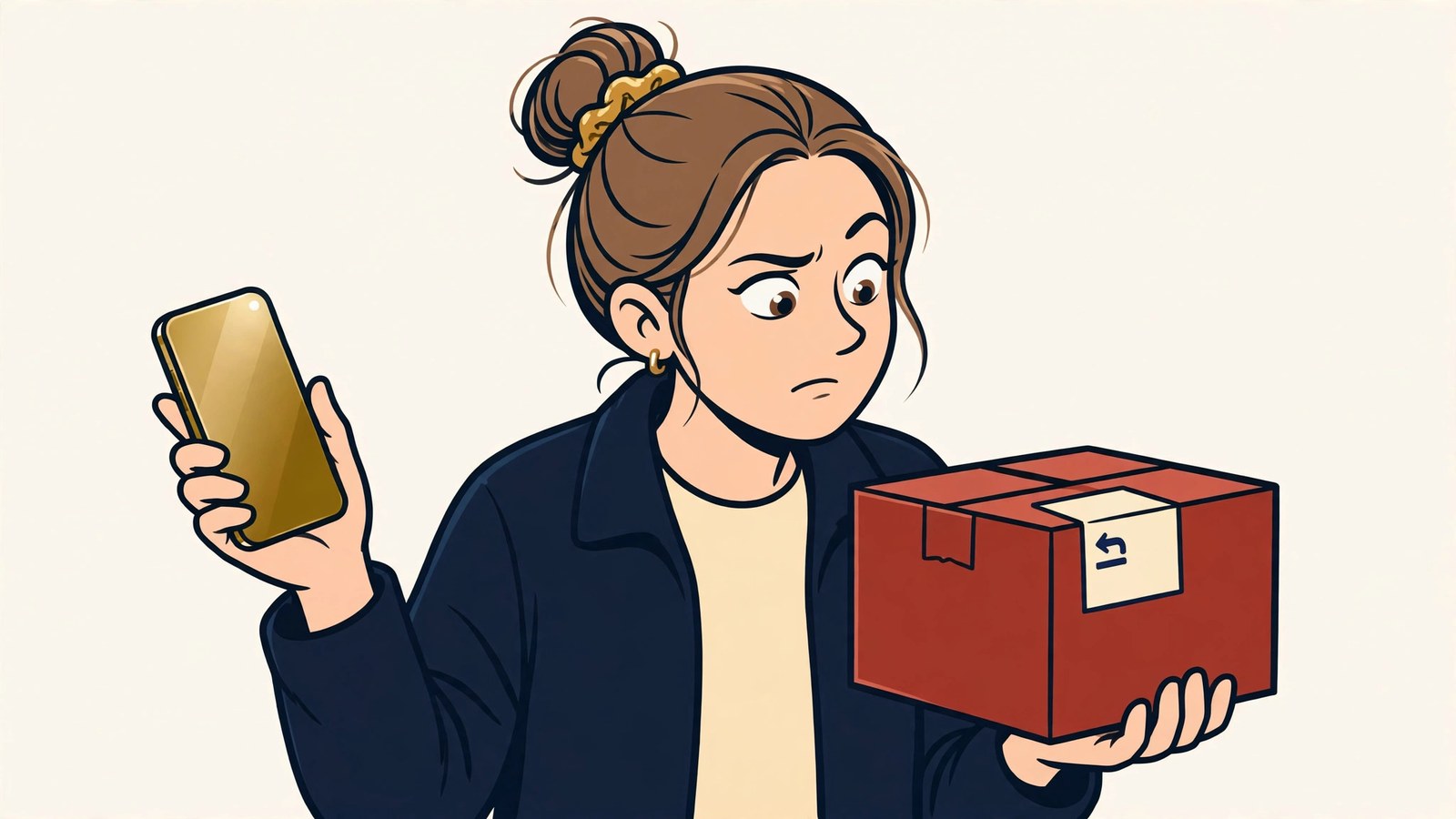
The caller says your cellphone company has a special upgrade available. The offer sounds reasonable, and a new phone actually arrives at your home.
Then comes an apology: the wrong device was shipped. You receive a return label, an address, or a QR code and are told to send it back.
The phone is real. The return is not.
Brantford Police Service in Ontario recently warned residents about this phone-upgrade scam. Police say fraudsters pose as cellphone providers, offer an upgrade, and later give victims false return instructions. The new device is redirected to the fraudster, while the victim remains responsible for the phone and related costs.
The Canadian Anti-Fraud Centre describes a related pattern. A caller may claim to represent your current provider and offer a discount, upgraded plan, or new device. The caller may ask you to log in to your real cellphone account, share security codes, or provide identification. In some cases, victims are persuaded to open an account with another provider. When the device arrives, the caller claims it was a mistake and directs the victim to ship it elsewhere.
This scam works because the delivery makes the story feel legitimate. A criminal can lie on the phone, but a sealed device from a recognized carrier seems like proof.
It is proof only that an order was placed.
Why the second call matters
The first contact creates excitement: a lower bill, a better plan, or a new phone. The second contact turns confusion into compliance. The caller already knows what arrived and can sound like an employee correcting an ordinary shipping error.
The victim may want to be helpful and avoid being charged for something expensive. A prepaid label or QR code makes the return feel routine. But the address may belong to the scammer or a package-forwarding location.
Meanwhile, the order may remain attached to the victim's account or identity. The criminal gets the device. The victim gets the payments, contract, or identity-theft cleanup.
Warning signs to notice
Pause when:
- An unexpected caller offers a discounted plan, upgrade, or free device.
- The offer is available only if you act during the call.
- The caller asks you to log in while they remain on the line.
- You are asked for a password, PIN, security code, or multi-factor authentication code.
- The caller requests a driver's licence, Social Insurance Number, Social Security number, or other identification.
- You are told to open an account with a different provider to receive the deal.
- A phone or tablet arrives that you did not order or is different from what you expected.
- Return instructions come from the original caller instead of the provider's verified support channel.
- The return address or QR code cannot be confirmed by the carrier.
No legitimate representative needs the one-time code that proves you control your account. That code is a key, not a receipt.
The 60-second defense
Use this family rule:
Verify the offer, the order, and the return separately.
End the unexpected call. Contact the cellphone provider using the number on your bill, inside its official app, or on the official website you opened yourself. Ask whether the promotion is real and whether an order was placed.
If a device arrives unexpectedly, do not activate it, sell it, or ship it using instructions from the caller. Contact the provider again through a verified channel. Ask the company to confirm the device's serial or order number and provide its official return process. A real return should appear in your account or be documented by the carrier.
Keep the shipping box, paperwork, tracking information, and copies of every message until the account is resolved.
If you already shared a code or shipped the phone
Call the cellphone provider's fraud department immediately. Explain that an impersonator may have accessed your account or placed an unauthorized order. Ask the provider to secure the account, cancel unauthorized changes, block the device, and preserve order and shipping records.
Change the account password and PIN from a device you trust. Review authorized users, contact details, forwarding settings, new lines, device-financing agreements, and recent orders. Ask whether your number has been transferred or whether a SIM or eSIM change was requested.
If you shipped the device, contact the carrier and delivery company immediately to ask whether the package can be intercepted. Keep the tracking number and receipt.
If identification or financial information was exposed, monitor bank and credit activity and follow the identity-theft recovery steps for your country. Canadians can report to the Canadian Anti-Fraud Centre at 1-888-495-8501. U.S. consumers can use IdentityTheft.gov and ReportFraud.ftc.gov.
Do not be embarrassed by the real package. The scam was built to make the caller's story appear confirmed.
Talk about it tonight
Ask: “What would we do if a phone we did not order arrived tomorrow?”
Practice the answer: leave it unopened, contact the provider independently, and accept return instructions only through a verified account or official support channel.
If your family receives an unexpected upgrade offer or delivery, describe the situation in The Scam Hotline Scam Detector. Do not enter passwords, security codes, account numbers, or identification numbers. The free tool can help surface the warning signs and organize what to verify next.
Scammers want silence. Families talk. Talk to yours today.