
Scam alert · October 20, 2026
The Investment Dashboard Showed a Profit. The Money Was Never There.
Fake investment platforms can display profits that do not exist. Learn the warning signs and the family rule to use before sending another dollar.
Read this in five minutes. Then talk about it with someone you care about.
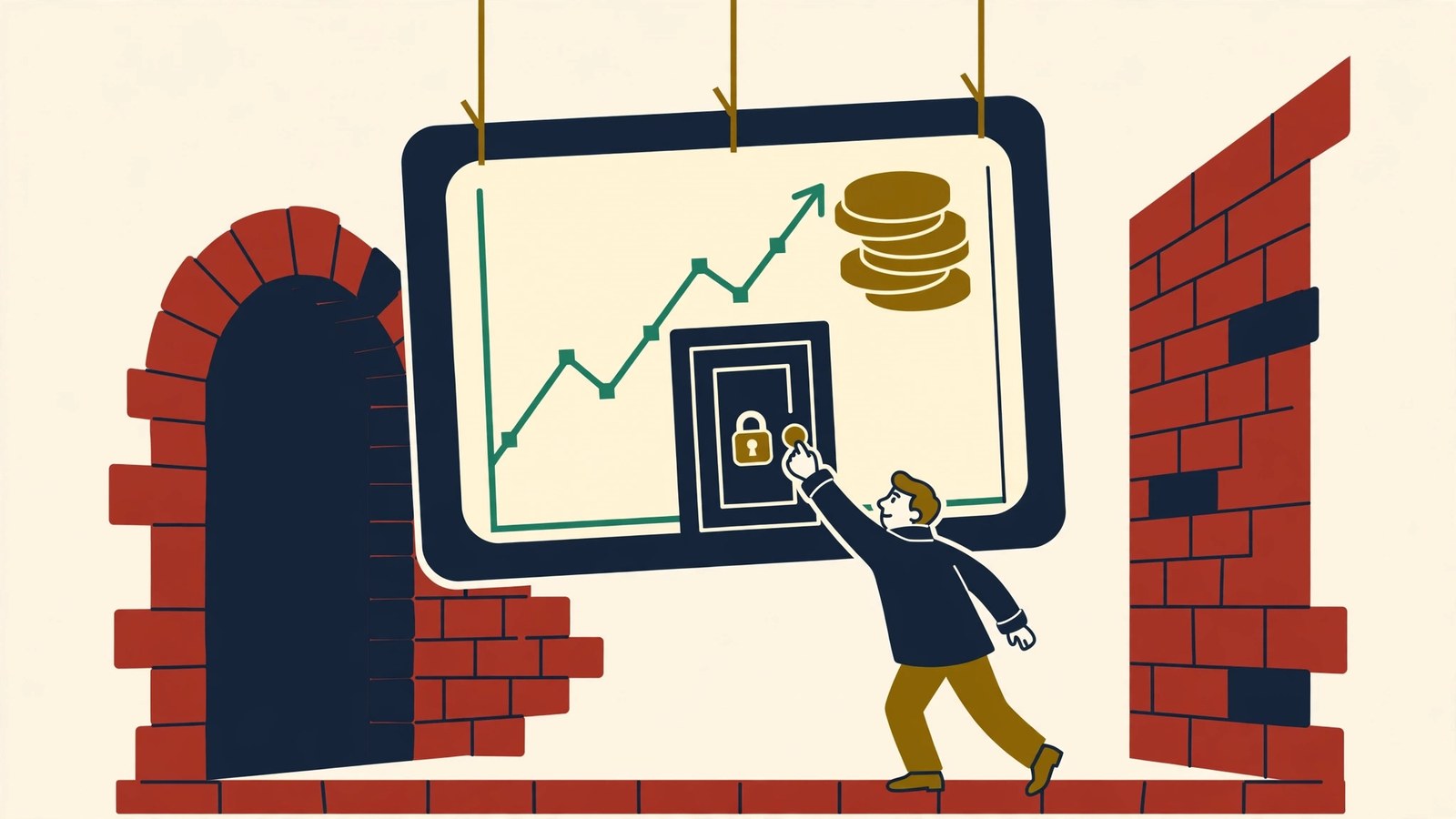
The numbers on the screen keep climbing.
Your first deposit appears to be earning money. The person who introduced you to the investment congratulates you. They may even help you withdraw a small amount, proving, it seems, that the platform is real.
Then they encourage a larger deposit. When you finally try to withdraw your money, the rules change. You must first pay a tax, fee, commission, verification deposit, or loan balance.
That is the moment the investment story reveals itself: the dashboard may have been showing invented numbers all along.
This is not a rare side issue. The Canadian Anti-Fraud Centre says investment fraud produced the highest reported financial losses in Canada during the first half of 2026. Canadians reported approximately CAD $139.6 million in investment-fraud losses during those six months. The agency says victims may be shown fake balances or returns designed to encourage more deposits.
In the United States, the Federal Trade Commission reported more than $7.9 billion in reported investment-scam losses in 2025, with a median reported individual loss above $10,000.
Those figures describe reported losses, not every loss. More importantly, they describe people who were persuaded by a carefully managed experience, not people who simply failed to notice an obvious trick.
Why this works
The scammer does not begin by asking for everything. The approach may start with a social-media message, dating-app conversation, investment group chat, online advertisement, or text that appears to have reached the wrong person.
Trust develops before the large request arrives. The person may talk about family, work, travel, or financial goals. Later, they introduce an investment opportunity involving cryptocurrency, foreign exchange, stocks, or another market.
The platform can look polished. It may show charts, customer-service chat, transaction records, and rising profits. A small successful withdrawal can be part of the deception. Investor.gov warns that fraudsters sometimes allow an early withdrawal specifically to create confidence before asking for a much larger investment.
The visible profit creates two powerful feelings: proof and momentum. It looks as if waiting will mean missing an opportunity. But a number inside an app or website is not proof that an asset exists, is owned in your name, or can be withdrawn.
Warning signs
Pause when any investment includes several of these signals:
- The opportunity arrived through an unsolicited message, social-media contact, dating app, or group chat.
- Someone promises unusually high returns, guaranteed profits, or little risk.
- A new online friend or romantic interest becomes your investment coach.
- You are directed to a particular website, app, crypto wallet, or Bitcoin ATM.
- The person moves the conversation to a private messaging app and discourages outside advice.
- The account shows strong profits, but you cannot independently verify where the assets are held.
- You must send more money to withdraw what is supposedly already yours.
- The payment recipient has a different name or an unrelated business.
One warning sign deserves its own rule: a legitimate withdrawal should not require you to rescue your own money with another deposit. Sending more to release, insure, verify, or recover funds can deepen the loss.
The 60-second defense
Before sending money to an unfamiliar investment platform:
- Stop the conversation. Do not let the person who introduced the opportunity guide your verification.
- Check the seller or adviser independently. In the United States, use Investor.gov and FINRA BrokerCheck. In Canada, check registration through the appropriate provincial or territorial securities regulator.
- Find the company yourself. Do not use the link, phone number, QR code, or search result supplied by the promoter.
- Ask a trusted person who has no stake in the deal. Secrecy protects the scam, not the investor.
- Test the withdrawal rule before investing. If additional money is required to release funds, stop.
Registration does not guarantee an investment will succeed, but an unregistered person or firm is a serious warning sign. All real investments involve risk. Anyone promising large, certain returns is asking you to ignore that fact.
If you already sent money
Act quickly and without shame. Contact your bank, card issuer, wire service, or cryptocurrency exchange and ask whether a transaction can be stopped, flagged, or traced. Preserve messages, screenshots, wallet addresses, transaction identifiers, account statements, names, phone numbers, and website addresses.
Report the incident to local police and the Canadian Anti-Fraud Centre in Canada, or the FTC, FBI Internet Crime Complaint Center, and securities regulator in the United States.
Be ready for a second approach. Recovery scammers target people who have already lost money and claim they can retrieve it for an upfront payment. Do not pay anyone who promises recovery in exchange for a fee, tax, or deposit.
Talk about it tonight
Ask your family: “If an investment looked profitable on a screen but required another payment before we could withdraw, what would we do?”
Agree on the answer now: stop, verify independently, and call someone you trust before sending anything else.
If an investment invitation, group-chat message, or withdrawal demand feels suspicious, use The Scam Hotline Scam Detector to examine the pressure tactics. Remove names, account numbers, wallet details, and other sensitive information before using any online tool.