
Scam alert · November 1, 2026
A Charity Says You Won a Prize. Then It Asks You to Pay.
Scammers are impersonating respected charities and claiming donors won sweepstakes. Learn the simplest test for spotting the scam.
Read this in five minutes. Then talk about it with someone you care about.
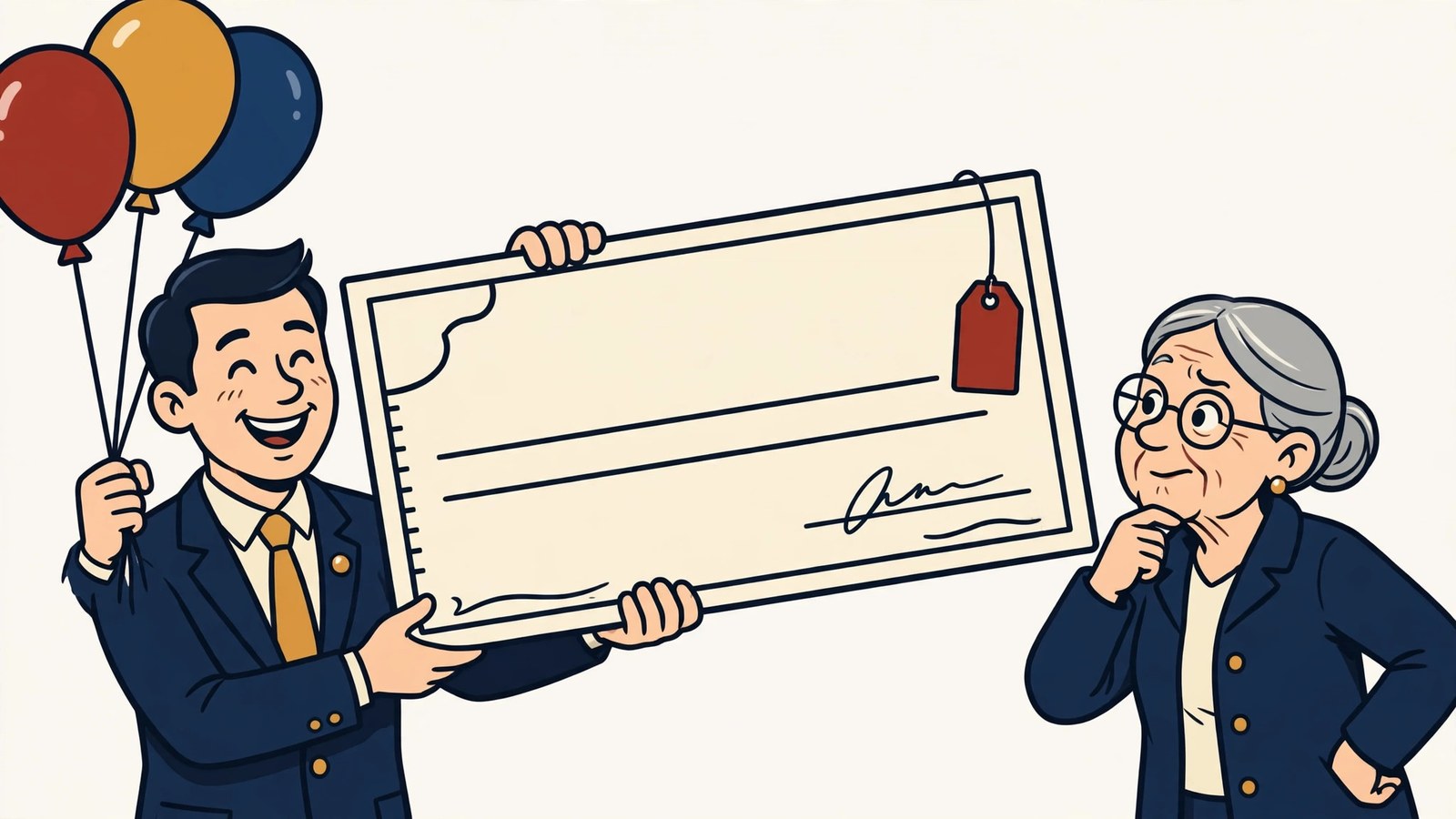
The caller knows the name of a charity you recognize. They may even know that you have donated before.
Then comes the good news: because of your support, you have won a charity-sponsored sweepstakes. There is only one step left. Pay a processing fee, cover the taxes, or provide personal information so the prize can be released.
That last step tells you what is really happening.
The Federal Trade Commission recently warned that scammers are impersonating respected charities and using fake sweepstakes to steal money or personal information. The charity may be real. The caller and prize are not.
The rule is wonderfully simple: real prizes are free. If you must pay to receive one, you are dealing with a scam.
Why it works
This scam combines two positive emotions: generosity and good fortune.
People naturally lower their guard around organizations they support. A caller who mentions a familiar charity does not feel like a total stranger. The supposed prize may also feel like recognition for doing something kind rather than a random offer from an unknown company.
Scammers can reinforce that trust with a familiar charity name, a copied logo, a convincing social media advertisement, or caller ID that appears legitimate. They may describe the requested payment as a routine tax, delivery charge, customs fee, or administrative expense.
The amount may seem small compared with the prize. That contrast is intentional. Once someone pays, the scammer may invent another fee or use the payment and personal information to target the person again.
Warning signs to watch for
Pause immediately when someone says you won a charity sweepstakes and:
- Asks you to pay taxes, shipping, processing, or legal fees before receiving the prize.
- Says a donation or purchase will increase your odds of winning.
- Requests a Social Security number, bank information, or other sensitive details to “confirm” the award.
- Wants payment by gift card, cryptocurrency, wire transfer, payment app, or cash.
- Pressures you to act before the prize expires.
- Tells you not to discuss the prize with family or your bank.
- Uses a charity name that sounds familiar but is slightly different.
- Directs you to a website or phone number supplied in the message as proof.
Legitimate sweepstakes are free and based on chance. The FTC says it is illegal to require a payment or purchase to enter or improve the odds of winning.
The 60-second defense
Use this family rule:
A prize that requires payment is not a prize.
Do not pay, click a link, or provide information. End the call or close the message.
If the charity name is familiar, go to a website or past donation receipt you already trust and contact the organization directly. Do not use the number, email address, or link supplied by the person announcing the prize.
When considering a donation, separate it from the sweepstakes claim. Decide whether you want to support the charity based on its work, not on a promised reward. The IRS Tax Exempt Organization Search can help confirm an organization's tax-exempt status and whether it is eligible to receive tax-deductible contributions. That verification does not prove every fundraiser is legitimate, so donate through the charity's official website or another trusted channel.
If money or information was already sent
Do not let embarrassment keep the incident private. This scam was designed around trust and generosity.
Contact the bank, card issuer, wire service, payment app, or gift card company immediately. Explain that the payment was connected to fraud and ask whether it can be stopped or reversed. Keep the message, envelope, caller information, receipts, and any payment instructions.
If personal information was shared, visit IdentityTheft.gov for steps tailored to what was exposed. Report the incident at ReportFraud.ftc.gov. Then contact the real charity so it knows its name is being misused.
Pay attention to future calls and messages. Once scammers learn that someone responds to prize offers, they may return under a different name or claim they can recover the first payment for another fee.
Talk about it tonight
Ask your family:
“If a charity we support said we won a prize, what is the one thing that would prove it is a scam?”
The answer: being required to pay or buy something to claim it.
Write that rule near the phone of anyone who enjoys sweepstakes, responds to fundraising mail, or regularly supports charities. It is easier to remember one clear rule than to evaluate every logo, badge, caller ID, and official-sounding explanation.
Scammers want the prize to become the whole conversation. Families can bring the conversation back to the request: Who contacted us, what do they want, and can we verify it independently?
If a prize or charity message leaves you uncertain, paste the wording into the free Scam Detector for help identifying warning signs and deciding what to verify. Remove names, account numbers, and other sensitive information first.