
Scam alert · November 6, 2026
A Stranger Sent You Money “By Mistake.” Do Not Send It Back Yourself.
An unexpected Zelle or payment-app deposit can lead to a refund scam. Learn why you should contact your bank instead of sending a new payment.
Read this in five minutes. Then talk about it with someone you care about.
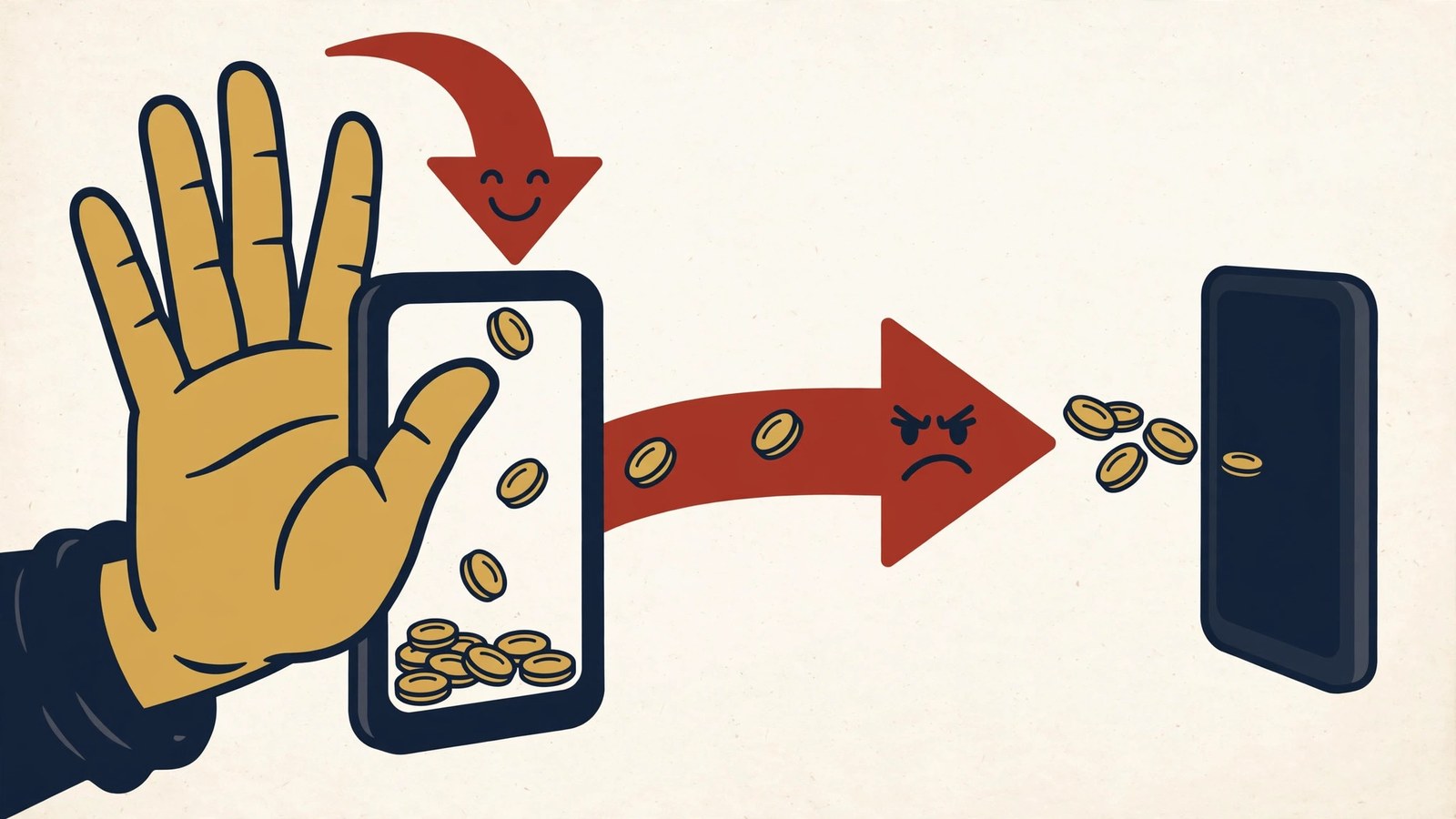
An unexpected payment appears in your account. A few minutes later, a stranger contacts you.
They sound embarrassed. They say they entered the wrong phone number or email address and sent the money to you by mistake. They may show you a screenshot, explain that the money was meant for rent or a family emergency, and ask you to send it back quickly.
The request can feel reasonable. You can see money in the account, and you do not want to keep something that is not yours.
But sending a new payment is not the same thing as reversing the original transaction. If the first payment came from a stolen account, was connected to fraud, or is later disputed, the original transaction may be investigated separately. The money you voluntarily sent to the stranger is a second transaction.
The safe response is simple: do not spend the unexpected money, and do not send it anywhere yourself. Contact your bank, credit union, or payment service through its official app, website, or the number on the back of your card. Tell them exactly what happened and let them handle the original payment.
Why it works
This scam uses a good instinct against you.
Most people want to correct an honest mistake. The stranger may add urgency by saying a bill is due, a child needs the money, or the error will cause an overdraft. Now the recipient feels responsible for solving someone else's emergency.
The visible deposit also creates confidence. It feels different from a fake email because the money may appear inside a real account. But the existence of an incoming transaction does not tell you why it was sent, whether the sender controlled the account, or how the financial institution will treat it after an investigation.
The pressure is designed to make you create a separate payment before asking the institution that can see the full transaction history.
The Consumer Financial Protection Bureau warns about accidental-payment scams and advises people not to receive or move money for someone they do not know. The Federal Trade Commission also describes fake-payment and bogus-refund schemes in which someone claims to have overpaid and asks the recipient to send money back.
Warning signs to watch for
Pause when:
- Money arrives from someone you do not know.
- The sender contacts you immediately and asks you to return it.
- They want the money sent to a different account, phone number, email address, or payment service.
- They say you must act before the bank can help.
- They send screenshots or instructions instead of asking their own bank to correct the mistake.
- They ask for a verification code, password, account number, or remote access to your phone.
- They become angry, threatening, or emotional when you say the bank must handle it.
A real mistake is possible. That still does not mean you should fix it by making a new payment to a stranger.
The 60-second defense
Use this rule:
An unexpected payment goes back through the institution, not through me.
Open your bank or payment app directly. Do not use a link, phone number, or support contact supplied by the sender. Find the transaction and contact official support.
You can tell the stranger:
“I will not spend the money or send a separate payment. I have reported the transaction to my bank. Please contact your bank so the institutions can handle it.”
Then stop communicating. Do not negotiate, follow technical instructions, or let the stranger guide you through your account.
What to do now
- Leave the unexpected money untouched.
- Take screenshots of the transaction and messages.
- Contact your bank, credit union, or payment service using a trusted channel.
- Report the unexpected transaction and ask what steps they want you to follow.
- Secure your account if you shared a password, verification code, or other access information.
- Report suspected fraud to ReportFraud.ftc.gov and, for online fraud, IC3.gov.
If you already sent money back, contact the bank or payment service immediately. Explain that you created a payment after a stranger claimed an earlier transfer was accidental. Ask whether the second payment can be stopped, reversed, or investigated. Recovery is not guaranteed, but acting quickly may preserve options.
Do not pay anyone who promises to recover the money for a fee.
Talk about it tonight
Ask your family:
“If money from a stranger appeared in one of our accounts, who would we call before touching it?”
Agree that nobody in the family will return an unexpected payment by creating a new transaction. The financial institution handles the original payment.
If a payment message or refund request feels uncertain, remove names, phone numbers, account details, and transaction numbers, then paste the wording into the free Scam Detector for help spotting pressure and deciding what to verify.